
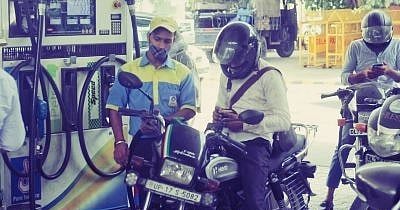
Petrol and diesel prices were increased for the third time in less than ten days on 23 May 2026, with petrol rising by up to 87 paise per litre and diesel by 91 paise per litre in Delhi. CNG prices in Delhi also saw a hike of ₹1 per kg. These increases follow earlier hikes on 15 May and 19 May, cumulatively raising fuel prices by nearly ₹5 per litre since mid-May. Rates vary across cities due to local taxes.
According to Hindustan Times, political opposition has responded with protests, including a demonstration led by Congress MP Randeep Singh Surjewala in Kaithal, Haryana. Protesters highlighted the impact of rising fuel, CNG, and LPG prices on middle-class families, transport workers, and small traders, and submitted a memorandum demanding an immediate rollback of the hikes.
As reported by The Indian Express, the Ministry of Petroleum and Natural Gas assured citizens that fuel supplies remain stable nationwide and urged against panic buying. The ministry stated, “India has adequate availability of petrol and diesel supplies across the country continue to remain stable. Citizens are advised to avoid panic buying and purchase fuel only as per actual requirement.”
As highlighted by Financial Express, the latest increases are attributed to higher global crude oil prices linked to the ongoing West Asia conflict. Oil marketing companies have been passing on these elevated costs to consumers in a staggered manner, with the government indicating no plans for additional fiscal support to state refiners.
Recent data shows that petrol in Delhi now costs ₹99.51 per litre, while diesel is priced at ₹92.49 per litre. In other major cities, petrol prices have crossed ₹100 per litre, with Kolkata at ₹110.64, Mumbai at ₹108.49, and Chennai at ₹105.31. Diesel prices have also risen significantly in these metros.
Analysis showed that the staggered approach to price hikes was chosen to mitigate inflationary shocks and public backlash. The government-owned oil marketing companies, which control over 90% of the fuel retail market, had not raised prices for four years prior to these recent increases, despite rising international oil prices.
Industry experts noted that incremental hikes may continue until oil marketing companies stop incurring revenue losses. The ongoing volatility in global crude prices, especially due to the closure of the Strait of Hormuz, has contributed to the upward pressure on domestic fuel rates.
Opposition parties have alleged that the timing of the hikes was influenced by recent state elections, with increases implemented after polling concluded. The government has not commented on these allegations but maintains that the adjustments are necessary due to international market conditions.
State-run oil companies continue to face financial pressure, with under-recoveries reportedly remaining significant even after the recent hikes as recent updates indicated. The government has reiterated that it will not extend further fiscal support to these companies, and further price adjustments may be required if global crude prices remain high.