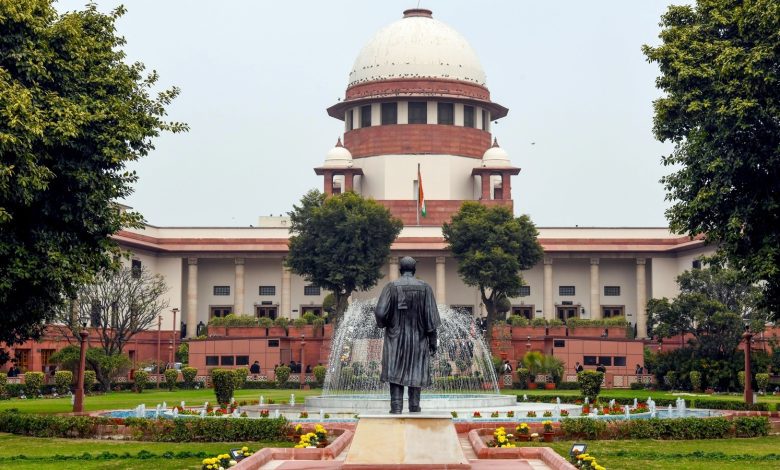
The Supreme Court on Monday nudged parties locked in a bitter inheritance dispute linked to the late businessman Sanjay Kapur to explore mediation, even as it issued notice on a plea filed by his mother, octogenarian Rani Kapur, seeking protection of the estate and a restraint on alleged interference with the assets of the Sona Group.
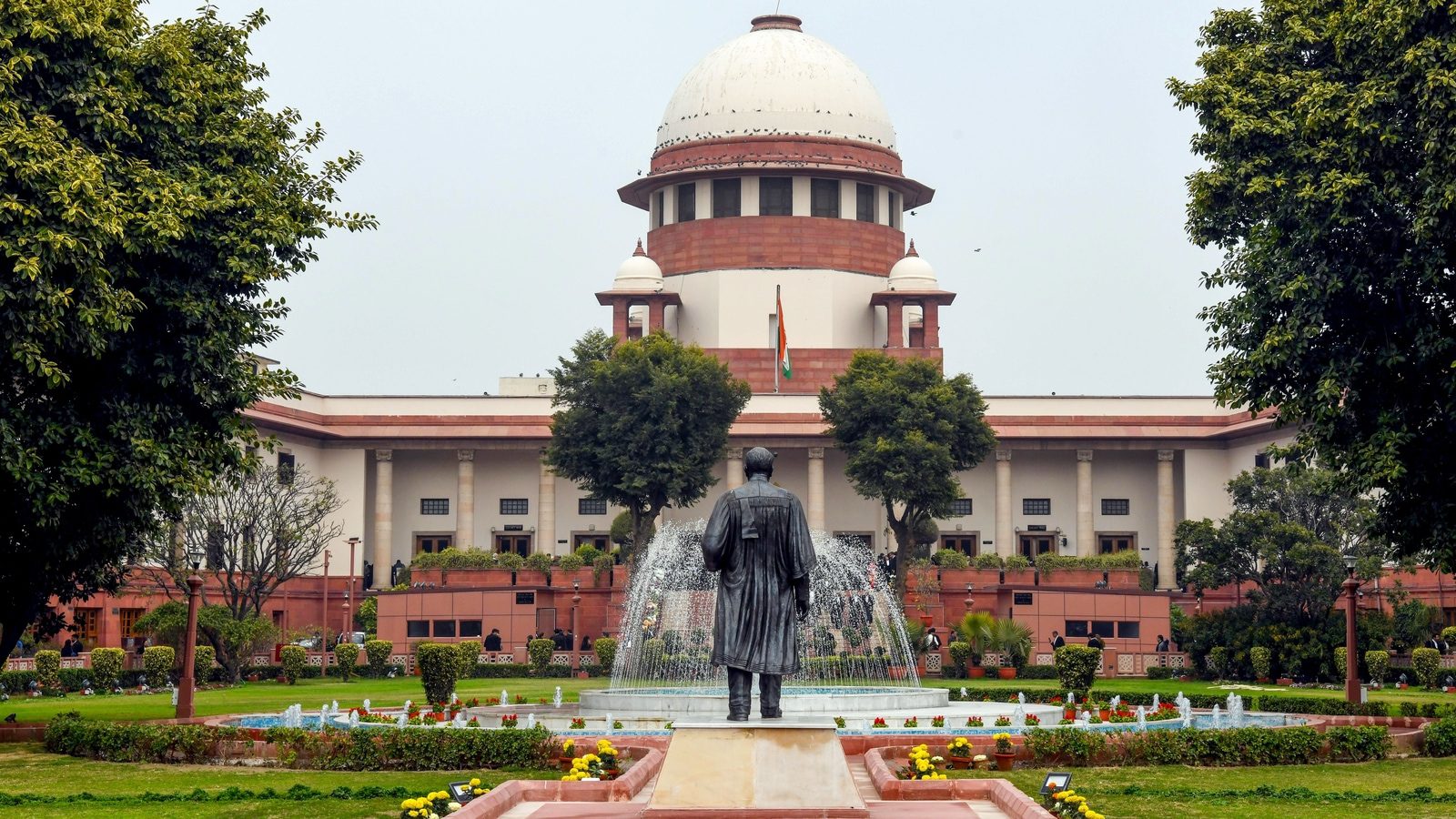
A bench of justices JB Pardiwala and Vijay Bishnoi underscored that a prolonged courtroom battle, particularly involving an 80-year-old litigant, would serve little purpose. “Why are you all fighting? This is not the age for your client to fight…go for mediation once and for all, from A to Z. Otherwise, this is a waste,” observed the bench.
The court issued notice to Sanjay Kapur’s widow, Priya Sachdev Kapur, and over 20 other respondents, including children of Priya and Karisma Kapoor and Sanjay Kapur’s sister Mandira Kapur Smith, while keeping open the possibility of adjudicating the matter on merits if mediation efforts fail.
The court emphasised that “it will be in the interest of all the parties concerned if they go for a mediation and try to resolve the disputes peacefully and equitably,” adding that it would first attempt to persuade parties to settle the dispute before proceeding further. The case is now scheduled to be listed next week. Senior advocates Shyam Divan and Vaibhav Gaggar represented Rani Kapur.
Sunjay Kapur, the chairperson of automotive component manufacturer Sona Comstar, died of cardiac arrest while playing polo in London on June 12, 2025. He was earlier married to designer Nandita Mahtani, and later to actor Karisma Kapoor, with whom he has two children — Samaira and Kiaan. After their divorce in 2016, he married Priya in 2017, with whom he had a son, Azarius. The Rani Kapur Family Trust was constituted under a trust deed dated October 26, 2017, and holds shares in Sona Comstar.
The origins of the dispute lie in a suit filed by Rani Kapur challenging the creation of the Rani Kapur Family Trust, which she claims was structured in a manner that divested her of control over her estate, including significant interests in the Sona Group. She has alleged that the trust was constituted fraudulently and used as a vehicle to transfer assets without her informed consent.
According to her plea, the sequence of events dates back to 2017, when she suffered a stroke. She claims that in the aftermath of her medical condition, her late son Sanjay Kapur and others acted in a manner that resulted in key assets being transferred into the trust, allegedly without her full understanding or approval. The petition contends that she was made to sign documents — some allegedly blank — under the guise of administrative formalities.
The dispute escalated following Sanjay Kapur’s death last year, with competing claims emerging over control of family assets and business interests. Rani Kapur has alleged that Priya Kapur moved swiftly to assume control over key entities within the Sona Group, leading to a situation where substantial portions of the estate are now under the control of other family members.
The plea before the Supreme Court seeks, among other reliefs, a direction to maintain the status quo over the estate and prevent alienation or dissipation of assets during the pendency of the dispute. It also challenges certain orders passed by the Delhi High Court, where parallel proceedings on related issues are currently pending.
While hearing the matter on Monday, the bench repeatedly emphasised that inheritance disputes of this nature, involving vast estates and multiple stakeholders, are better resolved through dialogue rather than protracted litigation.
Simultaneously, the bench made it clear that it would not hesitate to step in if required. “We shall, if necessary, hear the matter on merits; however, first, we should make an attempt to convince the parties to go for mediation,” said the bench.