US-Iran War at Six Months: Hormuz Risk Keeps India’s Oil Costs Exposed

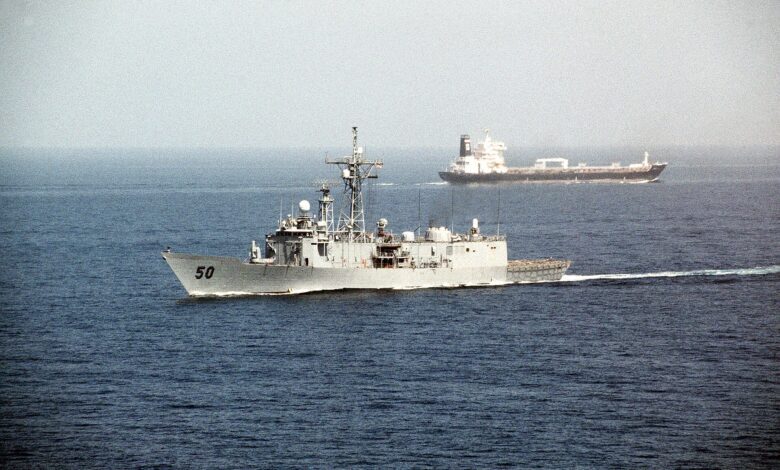
The United States-Iran war has reached the six-month mark with no durable political settlement and with the Strait of Hormuz still central to the conflict’s economic impact.
The war began on February 28 with stated objectives centred on Iran’s missile capabilities and nuclear programme. It evolved into a wider regional conflict involving attacks on shipping, bases and Gulf states, while Iran used disruption around Hormuz as its most powerful form of economic leverage.
Why Hormuz matters
The narrow waterway connects the Persian Gulf with the Gulf of Oman and the Arabian Sea. A significant share of internationally traded crude oil, petroleum products and liquefied natural gas normally passes through it.
Even when a ship is not attacked, heightened risk can raise insurance premiums, freight rates, crew costs and transit delays. Mines, damaged navigation systems or uncertainty over safe corridors can keep costs elevated after active fighting slows.
What has changed after six months
Iran’s government survived the assassination of senior leaders and sustained bombing. The United States and its partners retained substantial military advantages, but the conflict did not end within the short period initially suggested.
Regional countries have increased diplomatic efforts because prolonged disruption threatens their own export revenue, infrastructure and security. Qatar and Oman have been involved in discussions aimed at reducing escalation and establishing safer commercial passage. Reports of further tanker attacks show why an arrangement is difficult to implement without monitoring and enforcement.
India’s direct exposure
India imports most of the crude oil it consumes and buys large quantities of energy from Gulf producers. A disruption around Hormuz can affect the delivered price even if India purchases crude from a country outside the immediate conflict.
The impact can travel through several channels:
- Higher benchmark crude and liquefied-gas prices.
- More expensive tanker insurance and freight.
- Longer routes or waiting times for cargoes.
- Pressure on the rupee and the current-account balance.
- Higher input costs for transport, fertiliser, petrochemicals and aviation.
Domestic fuel prices also reflect taxes, marketing margins, refinery economics and exchange rates. A temporary decline in global crude therefore does not always produce an immediate reduction at retail pumps.
Can alternative routes solve the problem?
Saudi Arabia and the United Arab Emirates have pipelines that can move some oil without using Hormuz, and buyers can diversify suppliers or release strategic stocks. These measures reduce vulnerability but cannot instantly replace all normal traffic through the strait.
India can improve resilience by maintaining strategic reserves, diversifying contract terms and suppliers, securing shipping capacity and coordinating emergency arrangements with producers. Such measures manage disruption; they do not eliminate the price consequences of a prolonged regional war.
What to watch next
The most important indicators are verified safe-passage arrangements, the frequency of tanker incidents, mine-clearance progress, regional export volumes and whether negotiations produce an enforceable ceasefire.
Until commercial shipping can move predictably, Hormuz risk will remain embedded in energy prices—and India will continue to feel part of that premium through its import bill.