Trump-Venezuela Oil Deal: What 65 Billion Barrels Means for Supply and India

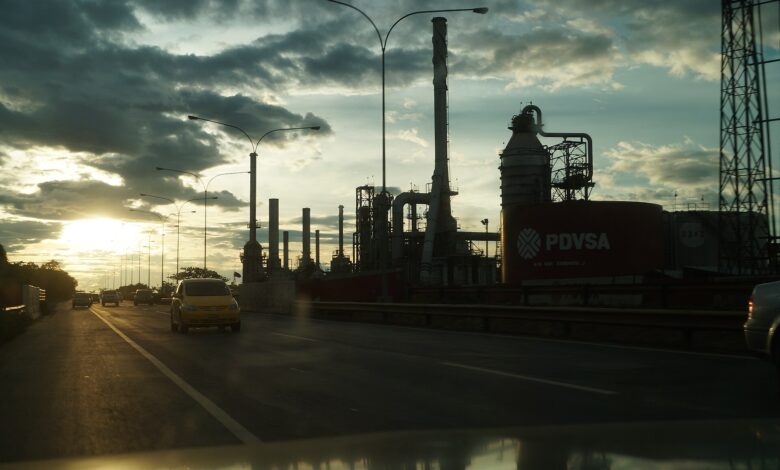
United States President Donald Trump has announced an agreement with Venezuela that could give American interests control over the development of 17 oil fields containing an estimated 65 billion barrels of potential reserves.
Venezuela’s interim government said the plan could attract about $100 billion in investment and ultimately generate more than $209 billion in tax revenue. The scale makes the announcement geopolitically significant, but it does not mean 65 billion barrels are immediately available for refineries or consumers.
What the 65-billion-barrel figure represents
The number refers to oil estimated to be recoverable from fields covered by the agreement. It is not a stockpile of finished crude. Production requires field surveys, drilling, pipelines, power, storage, skilled labour and functioning export terminals.
Much of Venezuela’s crude is heavy and can be more difficult and expensive to extract, transport and refine than lighter grades. Actual output will depend on investment terms, operating control, sanctions, infrastructure repairs and whether companies regard the legal framework as durable.
Why Washington is interested
The United States has drawn heavily on its Strategic Petroleum Reserve during 2026. Its inventory fell below 300 million barrels in early August, more than 100 million barrels lower than at the start of the year.
The administration says Venezuelan production could help replenish strategic stocks and supply military and domestic needs. Even with an agreement, however, new Venezuelan output cannot replace depleted reserves immediately. Large oil projects normally take years to reach stable production.
What Venezuela could gain
Venezuela possesses some of the world’s largest proven oil resources but has produced far below its geological potential because of underinvestment, sanctions, equipment deterioration and political disruption.
A large investment programme could restore wells, refineries and export facilities while expanding government revenue. The distribution of ownership, costs and long-term profits will be central to whether Venezuelans view the arrangement as reconstruction, an unequal concession or both.
Possible impact on India
For India, the immediate effect is limited. Retail petrol and diesel prices will not fall simply because an agreement was announced. Indian refiners respond to actual crude availability, shipping cost, quality, sanctions compliance, taxes and the rupee-dollar exchange rate.
If the plan eventually raises global supply and gives refiners reliable access to discounted heavy crude, it could reduce some pressure on import costs. Indian refineries with equipment suited to heavier grades may have more flexibility than simpler plants, but commercial access would still depend on payment and sanctions rules.
Questions that remain unanswered
- Which companies will operate the 17 fields and on what ownership terms?
- How quickly can damaged production and export infrastructure be restored?
- Who finances the promised investment and bears cost overruns?
- Will future governments honour the arrangement?
- How will revenues be audited and distributed?
The announcement is potentially transformative, but its effect should be measured in investment completed and barrels actually produced—not the headline reserve figure alone.