A Dozen Protesters Disrupted Trump’s Texas Rally. The Senate Race Is Why It Matters

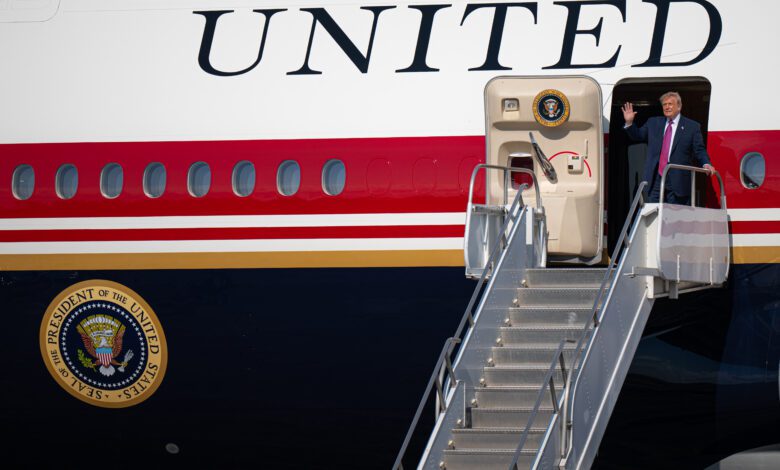
Donald Trump’s attempt to turn a San Antonio rally into a show of Republican strength repeatedly ran into interruption. At least a dozen protesters disrupted his October 7 remarks as he campaigned for Texas Attorney General Ken Paxton’s U.S. Senate bid, the Associated Press reported. Police escorted demonstrators out; the crowd booed and then cheered as the protest ended. The repeated interruptions became part of the event’s message: even in a state Republicans have long dominated, the party is campaigning as if the margin cannot be taken for granted.
The rally took place at Freeman Coliseum, where Trump asked voters to back Paxton, who is running against Democratic state Representative James Talarico. Texas has been a reliably Republican state in presidential contests, but this year’s Senate race has drawn unusual attention and major spending. AP has described it as competitive, with Republicans worried about holding the seat and Democrats hoping that national dissatisfaction can translate into a breakthrough. A rally is not a poll, and protest interruptions do not establish how Texans will vote; they do show that political events are contested spaces rather than scripted campaign broadcasts.
The interruptions were not all the same. AP’s account said one protester began yelling while Trump was speaking, and the president mocked him. Trump also accused demonstrators of being paid to disrupt the event, but the report did not provide evidence for that accusation. The crowd reacted loudly, and police removed protesters from the venue. The available reporting describes disruption and removal; it does not establish that the demonstrators were paid or that the police used unlawful force. Those distinctions matter in a campaign environment where clips can circulate without the context needed to verify claims.
Trump’s presence signals how much national Republicans believe is at stake in Texas. A Senate seat could affect control of the chamber, committee leadership and the next administration’s legislative agenda. The Texas contest is also a test of whether Trump’s endorsement can consolidate Republican voters behind Paxton, a polarising candidate, while Democrats persuade voters who may not usually back their party. Paxton’s primary victory over Senator John Cornyn reshaped the Republican side of the race; Talarico’s candidacy gives Democrats a challenger with a statewide platform. The campaign’s next phase will likely focus on turnout, fundraising and the candidates’ records rather than one night’s interruptions.
The rally also intersected with concerns about prices and the administration’s broader agenda. AP reported that Trump spoke about fuel costs and the war in Iran during an event ostensibly organised to boost Paxton. That shift illustrates the challenge for candidates in a midterm campaign: voters may judge a local Senate race through national issues such as household costs, foreign policy and the president’s approval. The demonstrators’ motives were not all established in the reporting, so it would be misleading to treat them as a single organised movement or assume their concerns speak for all Texas voters.
For the Senate contest, the practical questions are whether Paxton can convert Trump’s rally into support beyond the Republican base, whether Talarico can attract independents and disaffected Republicans, and what the campaigns say about the economy, border policy and public services. For future rallies, the relevant test is whether organisers and law enforcement can protect speech without turning dissent into a security spectacle. A loud disruption may dominate a night’s footage; the result will be determined by voters.
Sources: Associated Press, Oct. 8; Associated Press, Oct. 7; Associated Press, Oct. 3.