US Retail Sales Nearly Stall in October Ahead of Holiday Season

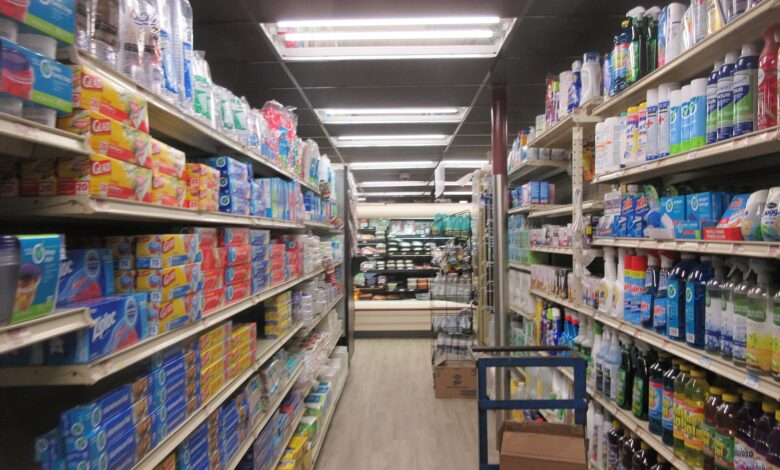
US retail and food-service sales barely grew in October, giving shoppers, businesses and the Federal Reserve a more complicated signal just before the holiday season. The Census Bureau’s advance estimate put sales at $748.2 billion, up 0.2% from September and 6.8% from a year earlier. The monthly change was small enough that the agency said it could not establish with statistical confidence that sales actually rose.
That caveat is important. The reported 0.2% increase has a margin of error of plus or minus 0.4 percentage points at the 90% confidence level. A headline saying spending “rose” is technically based on the central estimate, but the data are also consistent with a slight decline or a somewhat larger increase. Advance estimates are revised as more information arrives.
Why the slowdown stands out
September’s monthly gain was 0.8%, and August had also been strong. October therefore represents a loss of momentum rather than proof that consumers suddenly stopped spending. Sales from August through October were still 6.4% above the same period in 2025.
Motor-vehicle and parts dealers were a major drag, with sales down 1.6% after rising in September. Excluding autos, the monthly increase was 0.6%. Gas-station sales rose, but those figures can reflect price changes as well as the volume of fuel purchased.
Sales are not the same as real consumption
The retail release is adjusted for seasonal patterns and differences in holidays and trading days. It is not adjusted for inflation. If prices rise, dollar sales can increase even when households buy fewer goods. That is why economists compare the report with consumer-price data and measures of inflation-adjusted spending.
The survey also does not cover every service. Rent, most healthcare, travel services and many digital subscriptions sit outside traditional retail categories. A weak furniture month may reflect housing conditions, while continued spending on experiences could appear elsewhere in the economy.
What households appear to be prioritising
Associated Press reporting on the release found that clothing, furniture and home-furnishing stores lost ground. Those categories are relatively easy to postpone when budgets tighten. Cars are even more sensitive to financing costs and confidence because they involve large purchases and, often, loans.
High prices can change behaviour without producing a collapse in total dollars spent. A shopper may switch brands, wait for discounts or cut the number of items while paying a similar bill. Retailers therefore watch customer traffic, units sold and profit margins in addition to revenue.
The holiday-season question
October arrives before the biggest year-end shopping period, but holiday buying increasingly begins early. Promotions in October can pull some demand forward from November and December. Retailers also compare sales with an unusually strong or weak prior year, making a single monthly rate a poor forecast.
Lower gasoline prices in November could free some household cash, while higher transport and energy costs elsewhere can push up the price of goods. Consumers with secure jobs and rising wages may continue spending; families carrying expensive debt may be more cautious.
Why markets and the Fed care
Consumer spending is a major part of the US economy. Persistent weakness can slow growth and hiring. Excessive demand, by contrast, can keep inflation elevated. A modest retail number could support the view that demand is cooling, but policymakers will not decide interest rates from this release alone.
The Federal Reserve looks at inflation, employment, wages, credit and a wider measure of personal consumption. Because the Census retail report is nominal and subject to revision, it is one piece of evidence rather than a verdict.
Business conditions are uneven
Large chains can use customer data, loyalty programmes and inventory systems to respond quickly. Smaller retailers may have less room to absorb discounts or shipping costs. A slowdown can therefore affect companies differently even within the same category.
Inventory decisions made now will influence future prices. Too much stock can lead to bargains that help consumers but squeeze margins. Too little can produce shortages and missed sales. Businesses placed orders months before knowing the October result, so adjustment is not immediate.
How to read the next releases
November sales data are scheduled for December 16. Analysts will also watch revisions to October, card-spending indicators, holiday foot traffic and inflation-adjusted consumption. Year-over-year growth will need to be compared with prices and population to understand what it means per household.
The responsible reading of October is measured: spending momentum slowed sharply, vehicle sales fell and some discretionary categories weakened. Total sales remained well above a year earlier, and statistical uncertainty surrounds the monthly change. That is a warning against both recession panic and claims that consumers are untouched by high prices.
Sources
- US Census Bureau Advance Monthly Retail Trade Survey, October 2026
- Census Bureau retail-sales release page and tables
- Associated Press analysis of the October report