G7 Orders 100 Million-Barrel Fuel Release as Diesel Prices Surge

October 3, 2026 — Group of Seven leaders have agreed to release 100 million barrels of oil and fuel products through the International Energy Agency, an emergency intervention aimed at easing severe price pressure and stabilising supply.
The October 2 leaders’ statement says the coordinated release will begin immediately and run over four months. A substantial amount of diesel is to be front-loaded within the first 20 days. The statement does not mean 100 million barrels will arrive on the market at once or that all of it is diesel.
Governments also pledged to coordinate refinery maintenance, increase utilisation where feasible and avoid export restrictions between G7 members. Those measures recognise that a shortage of refined products cannot always be solved by releasing crude oil alone.
What an emergency release can do
Strategic stocks can bridge a temporary disruption, reassure buyers and reduce the pressure that drives precautionary hoarding. Diesel matters for trucking, farming, construction, shipping and backup power, so a sustained price spike can spread through food and consumer-goods costs.
But reserves are finite. Their effect depends on the mix and location of products, available pipelines and terminals, refinery capacity and whether the underlying disruption improves. A release can buy time; it cannot replace a durable supply solution.
The action follows volatility connected to the Iran war, disruption around the Strait of Hormuz and constrained refining. It also arrives before the US midterm elections, giving the decision a political context. That timing does not negate the supply problem, but it makes transparent reporting especially important.
What consumers should expect
Retail prices may not fall immediately or uniformly. Wholesale fuel must move through contracts, transport and local tax systems before changes reach a pump. Currency movements can also alter the effect in India and other importing countries.
The IEA’s implementation data will show which countries release which products and when. Markets will also watch whether refiners increase output and whether shipping risks ease. If conflict intensifies, 100 million barrels may provide less relief than the headline suggests; if supply routes stabilise, it could reinforce a broader decline.
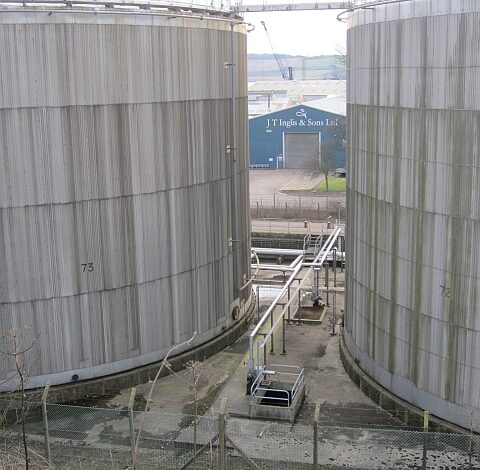
Archive image: storage tanks at Dundee Oil Refinery; not the emergency stocks released in 2026. Richard Webb, CC BY-SA 2.0.