Tempsens Instruments (India) delivered the strongest mainboard IPO debut of 2026 so far, ending its first trading day 93.57% above the issue price.
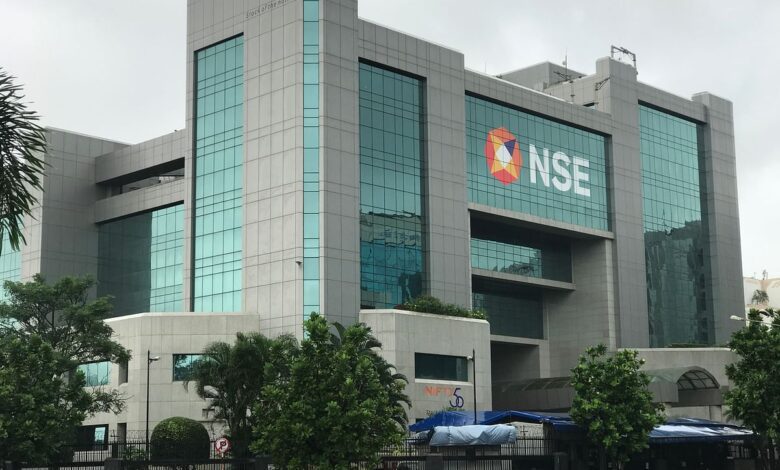
The shares closed at ₹580.70 on the National Stock Exchange against the upper offer price of ₹300. The ₹650-crore issue had attracted intense demand before listing, but the first-day gain also leaves the stock carrying much higher expectations.
IPO and subscription figures
The offer was priced between ₹285 and ₹300 per share, with a minimum retail lot of 50 shares. It included a ₹95-crore fresh issue and a ₹555-crore offer for sale.
Overall demand reached about 184 times the shares available. Qualified institutional buyers subscribed roughly 303 times their allocation, non-institutional investors about 314 times and retail applicants around 61 times.
Heavy oversubscription restricted allotments and concentrated demand on the first trading day, when investors who had not received shares in the IPO attempted to buy in the market.
What the company does
Tempsens is a thermal-engineering and specialised-cable manufacturer. Its products include customised temperature sensors, specialised cables and electrical-heating solutions used by industrial customers.
That positioning gives the business exposure to spending in power, manufacturing and process industries. Investors also responded to the combination of the company’s operating profile and an offer price that the market treated as attractive.
Why the debut stands out
Tempsens moved ahead of the year’s previous leading mainboard debuts. Bharat Coking Coal had gained 76.43% on listing day, while Behari Lal Engineering rose 76.21%.
August has been especially active. Seventeen of the 53 mainboard IPOs listed during 2026 arrived during the month, and six of the year’s 10 strongest listing gains came from those August issues. Across all 53 listings, the average debut gain was far lower at 10.86%.
What investors should examine after listing
A first-day surge measures demand and available supply; it does not by itself establish the company’s long-term value. After the initial price discovery, performance will depend on earnings, margins, order execution, customer concentration, working-capital requirements and the valuation investors are willing to pay.
The large offer-for-sale component also matters. Of the ₹650-crore issue, ₹555 crore represented shares sold by existing holders rather than new capital going into the company. Investors should assess how the smaller fresh issue will be used and whether projected growth requires additional funding.
Sharp post-listing momentum can reverse when short-term traders take profits or market sentiment changes. Investors who did not receive an allotment should evaluate the current market price independently instead of assuming that the IPO price remains the relevant benchmark.
This article reports IPO and market information and does not recommend buying, selling or holding the shares.