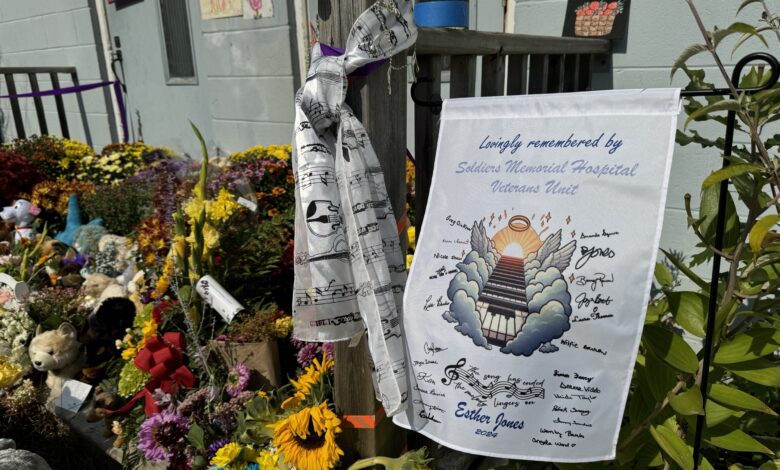
Relatives of Esther Jones gathered at a Kentville, Nova Scotia, courthouse in September 2024 as the man accused of killing her made his first appearance. The family asked that Jones be remembered as a caring sister, musician and community member rather than only as the subject of a homicide case.
Jones had been reported missing
The 55-year-old was reported missing from Torbrook in Annapolis County on September 2. She had last been seen at Kingston Bible College in Greenwood on August 31.
Police later treated the disappearance as a homicide investigation.
RCMP described evidence of a struggle
Investigators said they believed the killing occurred at the college and that evidence indicated a struggle. At the time of the court appearance, Jones’s remains had not been recovered.
Police said the charge was based on evidence collected, but did not disclose every investigative detail.
A suspect was returned from the United States
Dale Allen Toole, then 54, was detained by American authorities at Houston airport before a flight to Mexico. He was returned to Canada and charged with first-degree murder.
A charge is an allegation. Toole was presumed innocent unless prosecutors proved guilt beyond a reasonable doubt.
The first appearance was brief
More than a dozen members of Jones’s family attended the Kentville proceeding in solidarity. The matter was scheduled to return to court on October 23 as the case entered its pretrial stages.
No verdict was reached during that initial appearance.
Her family described a life of service
Jones’s sister Margery Parker remembered her as kind and loving, always trying to improve another person’s life. Jones played piano and sang for residents in veterans’ and seniors’ care wings.
Those details restored identity and dignity often lost in crime coverage.
She had cared for her mother
Jones was one of 15 siblings and had been the primary caregiver for their mother, who had recently died. Relatives said she was beginning to imagine travel and a new chapter after years of responsibility.
Her death deprived the family of plans they had expected to share.
A community memorial formed
Flowers, cards and messages appeared at the college entrance where Jones was last seen. Family members said the display was painful but also demonstrated how much she had been valued.
Memorials can support collective grief while an investigation and court process continue.
Responsible coverage protects both truth and fairness
Reporting should use confirmed police and court information, avoid speculation about motive, and not present allegations as established fact. It should also respect relatives who may not wish to discuss private details.
The absence of recovered remains did not make the family’s loss less real, but it did make precision about evidence especially important.
The legal case and the person’s story are different records
Courts would determine whether the Crown could prove its accusation. The family’s recollections documented something a prosecution cannot: Jones’s role as a caregiver, sister, musician and friend.
Keeping both records in view avoids sensationalism. The public needed accurate updates about the charge and proceedings, while the family deserved coverage that did not reduce Esther Jones to the circumstances of her disappearance.