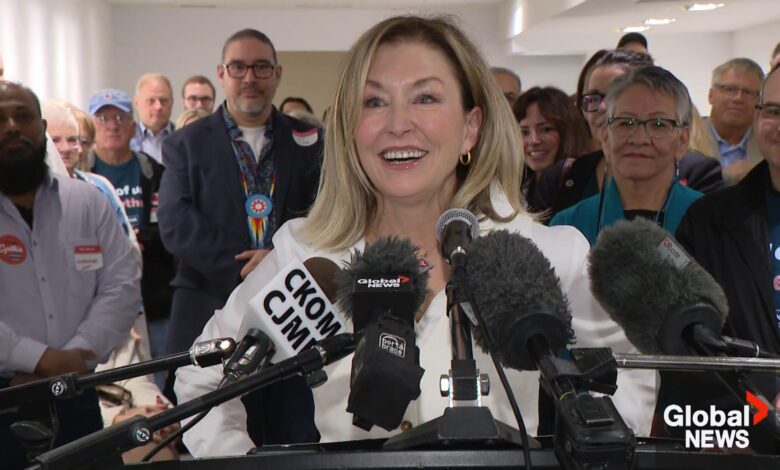
Saskatoon mayoral candidate Cynthia Block released a community-safety platform in September 2024 that combined police resources with prevention, neighbourhood planning, improved public spaces and youth services. The Ward 6 councillor argued that policing alone could not make every resident feel secure.
The plan began with coordinated responsibility
Block said police and fire services needed adequate resources but proposed a “whole community” approach involving residents, businesses and social agencies. She wanted proactive neighbourhood safety plans to improve communication, coordinate assistance and address problems earlier.
The approach treated public safety as more than the number of officers deployed.
Residents needed easier ways to report concerns
Better communication and reporting options were part of the proposal. Reliable channels can help authorities see patterns, direct resources and inform people what happened after a complaint.
Systems must also protect privacy and avoid turning suspicion or bias into unverified enforcement data.
Environmental design was included
Block called for maintained parks and better lighting. Design can improve visibility and make public spaces more welcoming, though it cannot substitute for housing, treatment or investigation of violent offences.
Maintenance decisions should be measured for actual impact rather than assumed to prevent every crime.
A 24-hour youth centre was a prominent idea
The proposed drop-in facility would offer recreation and connection, particularly for young people whose homes were not safe. Block mentioned amenities such as basketball courts and ice rinks.
For such a centre to work, council would need a location, operating budget, trained staff, safeguarding rules and accessible transport.
Opponents challenged her record
Rivals Don Atchison, Cary Tarasoff and Gordon Wyant questioned why the proposals had not been delivered during Block’s eight years on council and offered their own priorities. Tarasoff emphasized washrooms, affordable housing and transit; Wyant discussed precinct officers; Atchison promised more officers on streets.
Those competing arguments gave voters choices beyond a generic promise of safety.
Safety and poverty were connected
Block’s broader campaign prioritized housing and homelessness. Crisis calls, visible disorder and victimization can be reduced by stable housing and health services, while serious violent offenders still require effective police and court responses.
A balanced policy does not force communities to choose between prevention and enforcement.
Block went on to win the election
On November 13, 2024, Saskatoon voters elected her as the city’s first woman mayor. The later result turned campaign promises into benchmarks for the new administration.
Victory did not guarantee council approval, funding or immediate reductions in crime.
Delivery should be measured openly
Useful indicators include response times, violent victimization, residents’ reported sense of safety, housing outcomes, youth-centre access and whether neighbourhood concerns receive follow-up. Data should be broken down carefully to detect unequal treatment without stigmatizing areas.
Block’s plan was strongest where it identified shared responsibilities and concrete facilities. Its credibility would depend on budgets, timelines and results after election. Public safety is both the freedom from violence and the ability to use a bus, park or downtown street without fear; achieving it requires accountable policing alongside the conditions that prevent harm.