Justin Trudeau’s Party Faces Confidence Vote as Canada Turns on Its Leader
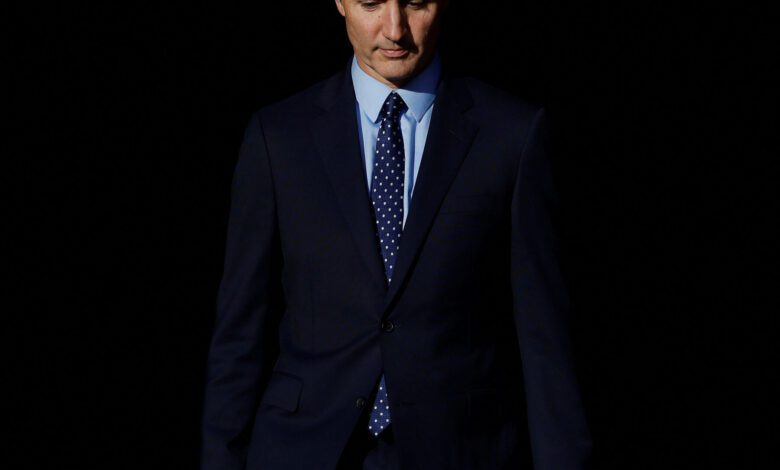
Prime Minister Justin Trudeau’s Liberal government survived a Conservative confidence motion on September 25, 2024 by 211 votes to 120. The vote was the first major parliamentary test after the New Democratic Party ended its supply-and-confidence agreement with the Liberals.
The motion used explicit confidence language
The Conservative motion stated that the House had no confidence in the prime minister and government. Defeat would normally have required resignation or a request to dissolve Parliament for an election.
Because the motion failed, the government retained authority and normal House business continued.
Conservatives voted to defeat the government
Pierre Poilievre’s party argued that high living costs, housing pressure and dissatisfaction with Trudeau justified an election. Its 120 votes were far short of a majority without support from other opposition parties.
Opinion polling did not alter the constitutional requirement for a House vote.
The NDP opposed the motion
Jagmeet Singh had cancelled a formal agreement that previously offered the Liberals stability in exchange for policy progress. Ending the deal allowed case-by-case voting; it did not commit the NDP to support an immediate Conservative election bid.
The party could criticize Trudeau and still reject Poilievre’s motion.
The Bloc also declined to topple the government
Bloc Québécois votes helped defeat the motion while leader Yves-François Blanchet pressed separate demands on pensions and supply management. Minority parliaments allow parties to use each vote for distinct objectives.
Temporary support on confidence did not create a coalition or lasting guarantee.
Political weakness remained visible
Surviving one vote did not reverse Liberal polling problems, caucus anxiety or public frustration after nearly nine years in office. It demonstrated only that a majority of MPs did not choose an election on that motion.
Legitimacy in Parliament and popularity in surveys answer different questions.
More confidence tests were expected
Opposition days, budgets and supply bills could create additional opportunities to defeat the government. The Liberals needed to assemble support repeatedly rather than rely on the expired NDP arrangement.
That uncertainty could encourage negotiation while also shortening planning horizons.
The official tally removed ambiguity
House of Commons records list 120 yeas and 211 nays. Using the official division avoids conflicting early reports and shows how individual MPs voted.
Absences and abstentions may matter in close divisions, though they did not threaten the result here.
The vote was a test, not a turning point by itself
Conservatives demonstrated their intention to keep seeking an election; other parties showed they would set their own timing and terms. Trudeau gained survival, not a renewed majority mandate.
The correct conclusion on September 25 was narrow and verifiable: the government had won the division and remained in office. Predictions about its eventual defeat belonged to political analysis, not the recorded outcome.
Voters could still use the episode to compare party priorities, but the constitutional decision remained with elected MPs until a general election was formally called. That distinction kept opinion about Trudeau separate from the legal status of his ministry.
Subsequent votes would create their own independent parliamentary records.