
Manchester City’s Premier League Hearing, Explained
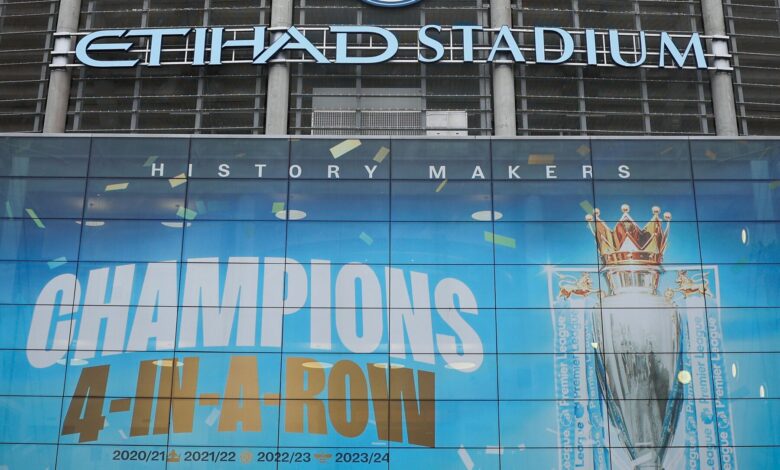
An independent commission began hearing the Premier League’s case against Manchester City on September 16, 2024. The club faced 115 alleged rule breaches arising from financial reporting, sponsorship, remuneration, profitability rules and cooperation with a league investigation.
The allegations covered many seasons
The central financial-reporting claims related to seasons from 2009–10 through 2017–18. The league alleged that City failed to provide accurate financial information giving a true and fair view of revenue, including sponsorship, and operating costs.
Manchester City denied wrongdoing.
Manager and player payments were included
Some charges concerned alleged failures to disclose full remuneration in relevant contracts. The commission needed to determine what arrangements existed and whether league rules required different reporting.
The published charge list did not itself prove that secret payments occurred.
Other counts concerned UEFA and profitability rules
The Premier League alleged breaches of requirements to comply with UEFA club-licensing and financial-fair-play provisions and with the league’s profitability and sustainability rules during specified periods.
Each category involved its own dates and elements rather than 115 identical acts.
Thirty-five charges related to cooperation
The league also accused City of failing to cooperate with and assist its investigation from 2018 onward. A club can contest substantive allegations while still having a separate obligation to provide documents and information promptly and in good faith.
City disputed the league’s case in full.
The hearing was not a criminal trial
A three-person independent commission appointed under Premier League procedures heard the private disciplinary case. It could assess documents, witnesses and expert evidence and later issue a written decision.
Criminal standards and terminology should not be imported automatically into a sporting regulatory process.
Potential sanctions were broad
If breaches were proved, available measures could include fines, points deductions and other sporting penalties, potentially including expulsion under the rules. No punishment was predetermined by the number of charges.
Serious consequences made procedural fairness and reasoned findings especially important.
The case affected the whole competition
Manchester City had won multiple titles during the relevant era and four consecutive league championships by 2024. Rivals and supporters wanted consistent enforcement after Everton and Nottingham Forest received deductions in other financial cases.
Differences in facts and rules meant those outcomes could not simply dictate City’s penalty.
A long process required patience
The hearing was expected to last weeks, followed by deliberation and possible appeal. As of the current historical update, the main commission decision had still not been publicly issued, so claims that City had been cleared or punished were premature.
The label “115 charges” became a slogan, but accurate reporting needed the underlying categories, the club’s denial and the commission’s independence. Supporters could debate competitive fairness without treating allegation as verdict.
The final test for the Premier League would be a transparent, legally robust decision applied consistently enough to maintain trust. For City, vindication or sanction depended on evidence examined in the proceeding—not success on the pitch, rival hostility or online repetition of the charge count.
Publication of the commission’s reasoning is especially important because clubs, investors and supporters need to know how complex sponsorship and disclosure rules will be interpreted in future seasons.



