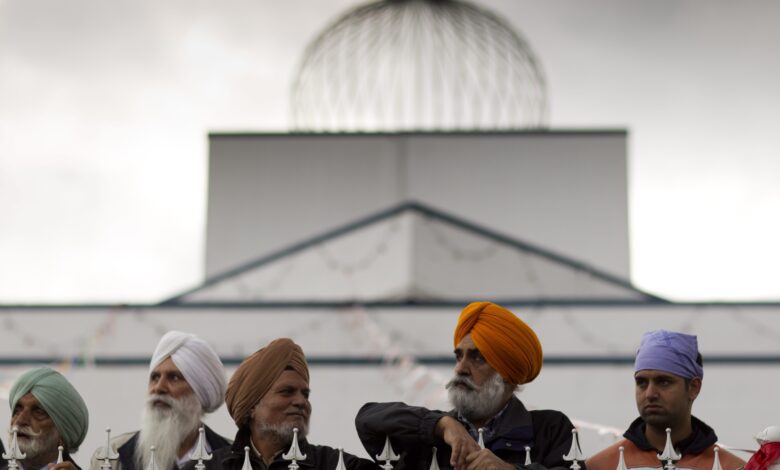
The B.C. Supreme Court established a temporary 50-metre buffer zone around Vancouver’s Ross Street Gurdwara for November 2, 2024, ahead of expected protests during an Indian consular camp. The order attempted to protect access and safety while leaving space for lawful expression outside the restricted area.
Why the temple sought an order
The Khalsa Diwan Society, which operates the gurdwara, told the court that it expected intense demonstrations at consular camps scheduled for November 2 and November 16. Court documents referred to confrontations around similar events the previous year, when police reportedly used a decoy plan to move consular officials through another exit.
The camps allowed seniors of Indian origin to complete administrative work, much of it related to pensions, without travelling to the consulate. That practical purpose meant protesters, worshippers, staff and elderly visitors could converge at the same site.
What the restriction covered
The order prohibited protest activity, sidewalk obstruction and intimidation within 50 metres of roads around the temple. It did not create a general prohibition on criticism of India or Canada, and it did not decide the political dispute underlying the demonstrations.
A court-imposed zone must be read from the actual order because duration, boundaries and prohibited conduct matter. A news summary cannot expand a time-limited injunction into a permanent rule.
Diplomatic tensions formed the backdrop
Canada had expelled six Indian diplomats in October amid allegations that officials collected information about Canadians associated with the Khalistan movement and passed it to criminal groups. India rejected Canadian allegations and the bilateral relationship deteriorated.
These were serious state-level claims. Reporting should attribute them to the government or law-enforcement body making them and distinguish allegations, intelligence assessments and facts proven in court.
Expression, worship and personal safety
Peaceful protest is protected in Canada, including protest that is loud or unpopular. The right does not include assault, threats, harassment or physically preventing a person from entering a religious institution or public service.
Likewise, a security order should not be used to erase visible dissent farther than necessary. Police and courts must balance the location, risk evidence, access needs and least restrictive means available.
Avoiding collective blame
Sikh communities contain diverse views, as do Canadians of Indian origin. Political conflict involving governments and activists should not be turned into suspicion of a faith, nationality or diaspora as a whole.
Consular visitors seeking pension documents should not be treated as representatives of a government. Protesters should not be labelled violent without evidence about their individual conduct.
What happened after the order
Reporting said security was in place and demonstrators gathered near the end of the street. A separate confrontation the next day at a Surrey Hindu temple led to three arrests; that was a different location and event and should not be conflated with the Ross Street order.
The injunction illustrated how a court can create temporary physical separation during a foreseeable flashpoint. Its legitimacy depended on precise limits and neutral enforcement. The public-interest goal was to allow seniors and worshippers to enter safely while preserving a lawful place for political protest nearby.