Inside the Wild Rescue Mission That Took 4 Beluga Whales to Chicago

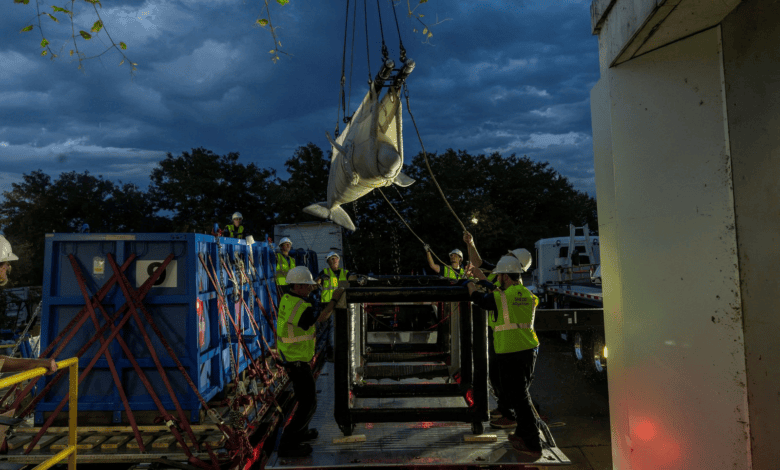
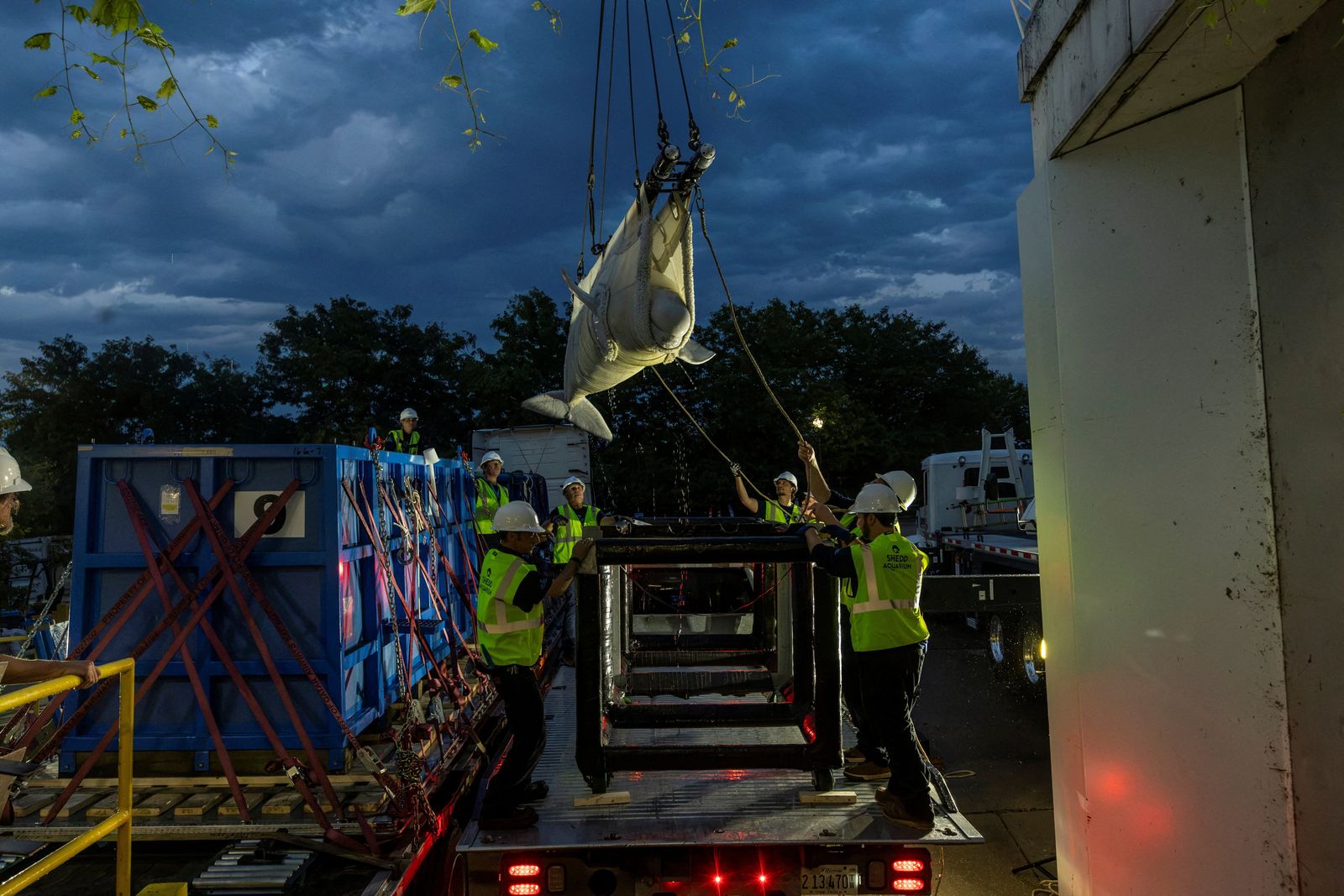
Four female beluga whales travelled from the closed Marineland facility in Ontario to Chicago’s Shedd Aquarium in July 2026, the first transfer in a wider international operation to find new homes for the park’s remaining cetaceans.
The whales—Acadia, Osiris, Sierra and Lillooet—were selected to move together because they already formed a social group. Shedd listed their estimated ages at arrival as 27, 26, 26 and 21. Their transfer involved veterinary teams, animal-care specialists, road transport and a chartered aircraft.
How a beluga is transported
Belugas cannot simply be placed in an ordinary cargo container. Each animal travelled in a purpose-built, water-supported container that protected its body while allowing staff to reach it. Care teams monitored the whales throughout the road and air journey, kept their skin wet and watched breathing, behaviour and other health indicators.
The objective was to minimise noise, sudden movement and unfamiliar stimulation. Two other belugas shared the flight before continuing to a facility in San Antonio, making the operation a coordinated move rather than an isolated Chicago transfer.
Arrival was the beginning, not the end, of the rescue
At Shedd, the four were initially kept away from public viewing while they explored the Abbott Oceanarium and became familiar with new caregivers and routines. Staff watched appetite, hydration, social interaction and interest in the habitat. Moving animals out of an unstable facility addresses an immediate welfare problem, but transport and acclimation carry their own risks.
Release into the wild was not a straightforward alternative. Long-term captive whales may lack the survival behaviours and social setting required for an abrupt return to open water. Any sanctuary or release proposal would need individual veterinary assessment, a suitable location, legal approval and long-term care planning.
The larger Marineland operation
Marineland closed to the public in 2024 and said it could no longer support the remaining animals without a relocation plan. Canadian authorities approved exports to a group of accredited facilities in the United States and Spain. Later transfers brought additional belugas to Chicago and other destinations.
The operation has also remained controversial. Some animal-welfare advocates question continued cetacean captivity, while receiving institutions argue that specialised aquarium care is the practical option for animals that cannot safely be released. Reporting on the mission should distinguish the urgent need to move the whales from the broader debate about their long-term homes.
Update: losses after later transfers
Subsequent events underline the uncertainty surrounding rescued animals’ health. Shedd reported that Peekachu, a whale arriving in a later August group, died on August 26. On September 3 the aquarium announced the deaths of Rain, another recent arrival, and Beethoven, a long-term resident. The aquarium said examinations were underway and did not assign a cause in its initial notice.
The four whales covered by the original July transfer story were Acadia, Osiris, Sierra and Lillooet. The later deaths should not be conflated with their arrival, but they are relevant context for judging a complex rescue whose medical outcomes were never guaranteed.
Sources: Shedd Aquarium July arrival statement; Shedd Aquarium rescue updates.