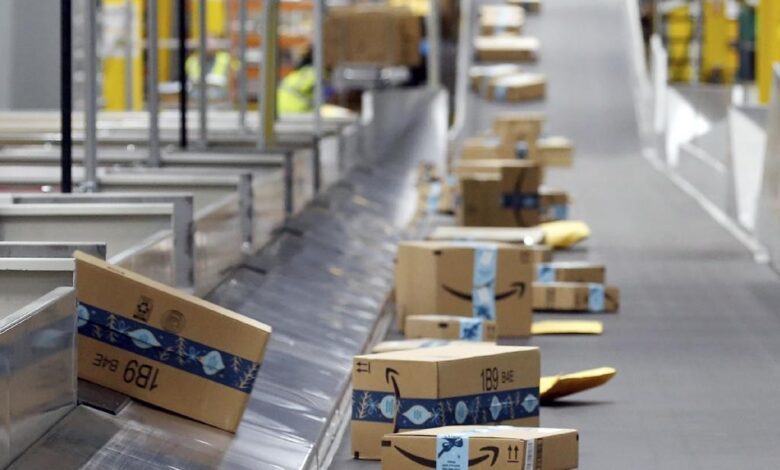
Quebec’s Administrative Labour Tribunal rejected Amazon’s attempt to overturn the union certification at its DXT4 warehouse in Laval in October 2024. Administrative judge Irène Zaïkoff also dismissed the company’s constitutional challenge to the province’s certification process, leaving the May recognition of the workers’ union in effect.
Canada’s first certified Amazon warehouse union
The tribunal had certified the Syndicat des travailleuses et travailleurs d’Amazon Laval–CSN on May 10, 2024. The union said it represented roughly 230 employees at the delivery facility and described the result as the first union certification at an Amazon warehouse in Canada.
Certification identifies the bargaining agent for a defined group of employees. It does not itself create a collective agreement; the union and employer must negotiate wages, scheduling, safety and other terms.
What Amazon challenged
Amazon questioned the constitutionality of powers used in Quebec’s certification system and objected to the investigation conducted by the labour-relations officer. One issue was Quebec’s card-based process, which can establish majority support without a separate secret-ballot vote when legal thresholds are met.
Different Canadian jurisdictions use different certification procedures. Describing card checks as automatically undemocratic or a vote as automatically neutral oversimplifies a policy debate about worker privacy, employer influence and proof of majority support.
Why the tribunal rejected the case
Zaïkoff concluded that Amazon had not established grounds to revoke the certification. In a union account of the ruling, she described parts of the company’s case as resting on suspicions, assumptions or hearsay.
The result confirmed the administrative decision under the law applied at that stage. It did not prevent Amazon from expressing disagreement or pursuing any appeal rights available to it, and it did not decide every later dispute between the company and union.
The positions of the parties
The CSN presented the ruling as a victory for employees who had chosen collective representation and said Amazon was required to bargain. Amazon has consistently said employees should be free to decide whether to join a union and has argued that direct relationships with workers can provide competitive pay, benefits and advancement.
Those are advocacy positions. Coverage should examine bargaining conduct, workplace data and tribunal findings rather than treating either party’s characterization as established fact.
Later closure raised a separate dispute
In January 2025 Amazon announced that it would close its Quebec facilities and return to a third-party delivery model. The union alleged the decision was connected to organizing and pursued legal action; Amazon denied that unionization drove the closures and cited its business model.
The timing created a major controversy, but it should not be retroactively presented as something the October 2024 certification ruling had already decided. Later proceedings had to examine their own evidence and legal tests.
Why the ruling mattered
The case tested how a large multinational employer interacts with Quebec’s labour code and showed that certification challenges require evidence, not simply disagreement with the outcome. For employees, preserving certification maintained a legal route to collective bargaining.
For employers, the ruling reinforced the need to participate in the statutory process while contesting it through the proper legal channels. For the public, it was a reminder that a labour-board decision is best understood through its actual order and reasons, not slogans about Amazon or unions.
The October result was significant but not final to the broader relationship. Certification, bargaining, closures and remedies were distinct stages, each requiring careful reporting and due process.