Mexican Military Fatally Shoots Six Migrants
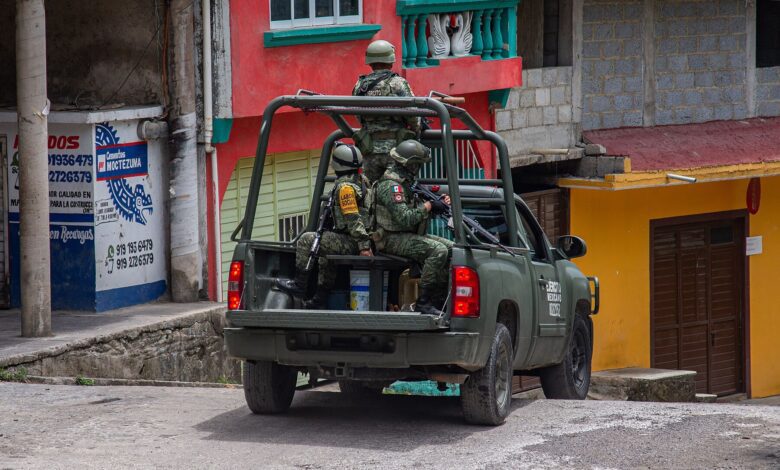
Mexican soldiers opened fire on a vehicle carrying migrants in Chiapas on October 1, 2024, killing six people and wounding ten. The military initially described a suspected link to criminal groups, but Mexico’s human-rights commission later found that the troops used excessive force and firearms illegitimately.
The shooting occurred near the Guatemala border
A military patrol encountered three vehicles on the Villa Comaltitlán–Huixtla road at about 8:50 p.m. The convoy was travelling through a region used by both migrants and smuggling networks.
The Defence Ministry said soldiers reported hearing detonations and seeing two vehicles speed away. Two soldiers then fired at the remaining truck as it continued along the road.
Four people died at the scene
When troops reached the vehicle, they found four migrants dead and 12 wounded. Two of the injured later died in hospital, bringing the death toll to six; ten other people suffered gunshot wounds.
The passengers included people from countries in Africa, Asia and Latin America. Later identification showed that children were among the dead, including an 11-year-old Egyptian girl and a 17-year-old from El Salvador.
The first statement left critical questions
The military said the vehicles resembled those used by criminal organizations and suggested troops may have confused the occupants with cartel members. Resemblance and location do not establish an imminent threat justifying lethal force.
Officials did not initially report finding a weapon in the migrant truck or establish that its passengers fired. Survivors disputed the idea that the people travelling with them were armed.
The soldiers were taken into custody
The two personnel who discharged their weapons were removed from duty and placed before military prosecutors, while federal civilian prosecutors opened a parallel investigation. President Claudia Sheinbaum called the deaths deplorable and promised that the event would not go unpunished.
Placing soldiers before an authority is an investigative step, not a conviction. Transparent civilian scrutiny is particularly important when state forces cause deaths.
A 2025 rights finding rejected the force used
Mexico’s National Human Rights Commission concluded that military personnel had used excessive force and illegitimate gunfire, violating rights to life and personal integrity. It called for victim registration, medical and psychological support, administrative accountability and continued criminal investigation.
The commission also recommended updated migrant-assistance protocols and specialized training on the national law governing force. Its finding added an official assessment that was unavailable in the first news reports.
Migration status does not reduce legal protection
A person travelling without immigration authorization retains the right to life, medical care and due process. Officers must assess an actual threat and use force only when necessary and proportionate.
Drivers suspected of smuggling can be arrested and prosecuted. Passengers should not be treated as combatants because a vehicle fails to stop or travels on a route where cartels operate.
Militarized migration policy drew scrutiny
Human-rights organizations said the shooting reflected risks created when armed forces perform routine migration enforcement. Military training and rules designed for hostile threats can produce catastrophic decisions around frightened civilians.
Migrants on the route already faced extortion, trafficking, dangerous transport and environmental exposure. Safe legal pathways and civilian protection reduce dependence on smugglers more effectively than treating every moving group as a security target.
The record must distinguish claim from finding
The early explanation that soldiers might have mistaken the truck for a cartel vehicle described the Defence Ministry’s position; it did not excuse the shooting or prove that criminal gunfire occurred.
The later human-rights determination was unequivocal about excessive force, while criminal responsibility remained for prosecutors and courts to decide. Six people died under state fire, survivors required care, and accountability depended on preserving evidence and subjecting the military’s account to independent review.