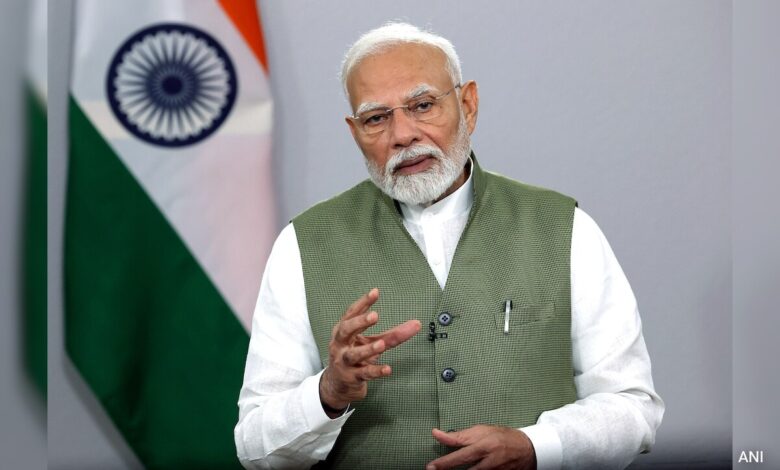
Prime Minister Narendra Modi extended greetings for Milad-un-Nabi on September 16, 2024, wishing citizens harmony, togetherness, joy and prosperity. President Droupadi Murmu also marked the occasion, which many Muslims observe in remembrance of the birth and teachings of Prophet Muhammad.
The prime minister issued a brief message
Modi posted his greeting on X and opened with “Eid Mubarak.” The official Prime Minister’s Office reproduced the message, providing a direct public record rather than a paraphrased social-media claim.
It emphasized national harmony rather than a policy announcement.
The president highlighted compassion
Murmu’s message called on people to remember the Prophet’s teachings and work for peace and harmony. Presidential greetings are customary on major religious festivals in India’s plural society.
Such statements are symbolic, but symbolism can matter when communal relations are strained.
The observance has several names
Milad-un-Nabi, Eid-e-Milad and Mawlid refer to commemoration of Prophet Muhammad’s birth. Dates follow the Islamic lunar calendar and can differ by moon sighting, region and religious tradition.
Coverage should not imply that every Muslim observes it in the same manner.
Practices vary across communities
Many people organize prayers, processions, sermons, recitation, charity and shared meals. Some Islamic traditions do not celebrate a birthday festival and instead treat the date more quietly or reject the observance.
That diversity exists within India as well as across the world.
Public processions require coordination
Large gatherings can affect roads and emergency access, so local authorities and organizers plan routes, timings and safety. Administration should facilitate lawful worship while applying neutral public-order rules.
Minor inconvenience should not be framed as conflict without evidence.
Charity reflects a central ethical theme
Community groups often distribute food and assist people in need during the observance. Teachings associated with mercy, care for neighbours and justice give the day meaning beyond decoration.
Reporting those activities provides a fuller account than focusing only on crowds.
India’s constitutional framework protects belief
Citizens have freedom of conscience and the right to profess, practise and propagate religion, subject to public order, morality, health and other constitutional provisions. The state must not privilege safety or dignity for one community over another.
Official greetings can affirm that equal belonging.
Words should be measured against conduct
Political leaders across parties frequently invoke harmony during festivals. Their credibility also depends on preventing hate speech, protecting vulnerable communities and ensuring equal application of law throughout the year.
A greeting alone cannot resolve communal discrimination or violence.
The verified event was simple but significant
The prime minister did not announce a programme, holiday change or new regulation. He offered best wishes and a call for togetherness on a religious occasion.
Expanding that record responsibly means explaining the observance and India’s plural context without inventing political claims. Milad-un-Nabi belongs first to the people marking it through prayer, reflection, service and community; an official greeting is one public acknowledgement of that lived tradition.
Local accounts can add verified detail about charitable work and community participation, provided they respect worshippers and do not generalize a single practice to all Muslims. Accuracy in religious coverage is itself a contribution to harmony.