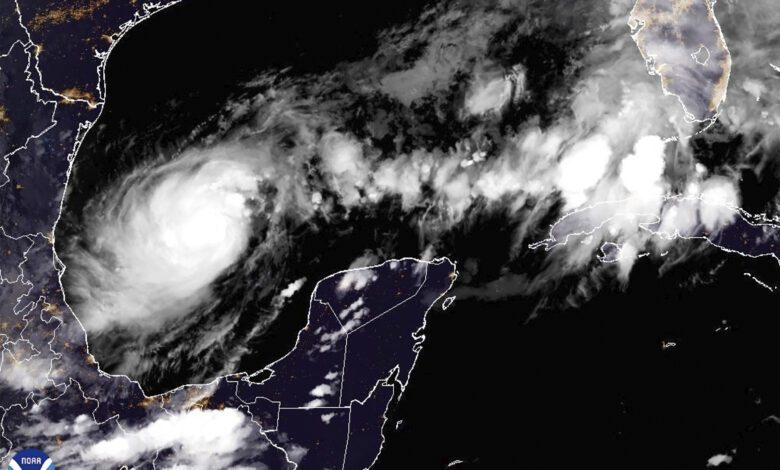
Canada advised travellers to avoid non-essential trips to parts of Florida as Hurricane Milton approached in October 2024. The rapidly intensifying storm threatened destructive wind, storm surge, rain and tornadoes while many communities were still clearing debris left by Hurricane Helene.
Milton intensified with unusual speed
On October 8, the U.S. National Hurricane Center located Milton over the Gulf of Mexico with maximum sustained winds consistent with a Category 4 or Category 5 hurricane during parts of the day. Its strength fluctuated, but a lower category did not remove the water, rain or tornado hazards.
Forecast uncertainty concerned the exact track and timing, not whether Florida’s west coast faced danger. Officials ordered evacuations in vulnerable coastal areas and warned residents to complete preparations before tropical-storm-force winds made travel unsafe.
Canadian guidance reinforced local orders
Global Affairs Canada’s regional advisory urged travellers to avoid non-essential travel to affected parts of the Florida peninsula. Canadians already there were told to monitor alerts and follow state and county authorities.
A travel advisory is not a personalized evacuation map. County emergency managers determine local zones, bridge closures and shelter availability. Visitors should not wait for an airline cancellation or a change in the national advisory before obeying a mandatory order.
Storm surge was a central threat
Surge occurs when wind pushes seawater onto land, raising water above normally dry ground. The deepest flooding can occur near and to the right of landfall, but track shifts change which communities receive the worst conditions.
Water can cut roads before the eye arrives and may conceal electrical hazards, contamination or missing pavement. A car is not reliable protection, and returning early can obstruct rescue and utility crews.
Helene debris created added risk
Hurricane Helene had struck less than two weeks earlier. Damaged furniture, construction material and other debris remained near homes and roads in some areas, creating projectiles in high wind and complicating drainage and cleanup.
Residents and contractors raced to move material, but no cleanup target justified staying after an evacuation deadline. Life safety took priority over securing property.
Travel plans needed flexibility
Airports and airlines changed schedules, while roads became congested as people moved inland. Travellers needed to confirm flights directly, preserve receipts and contact insurers before assuming that a delay, hotel or cancellation was covered.
Consular officials can replace documents and provide information, but they cannot guarantee transport, override local closures or pay ordinary evacuation expenses. People needed medication, identification, charging equipment and enough supplies for disruptions.
What happened after the warning
Milton made landfall near Siesta Key on October 9 as a major Category 3 hurricane. It crossed central Florida with damaging wind and heavy rain, spawned destructive tornadoes and left millions of electricity customers without power.
The later track spared Tampa Bay from the forecast worst-case direct strike, but that did not make the warnings excessive. Forecasts guide decisions before the exact landfall point is known, when evacuation still remains possible.
A warning is a window for action
Canadians planning to visit Florida were right to defer non-essential travel. Those already in the state needed to identify their evacuation zone, use verified government sources and move when directed.
Milton demonstrated why category alone is an incomplete description. A storm may weaken before landfall yet remain lethal through surge, rain and tornadoes. The sound response was to treat official warnings as time to act—not as a prediction to debate after every change in the forecast line.