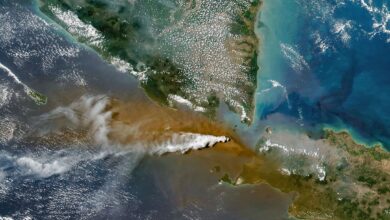
Death Toll in Vietnam From Typhoon Yagi Rises to 143
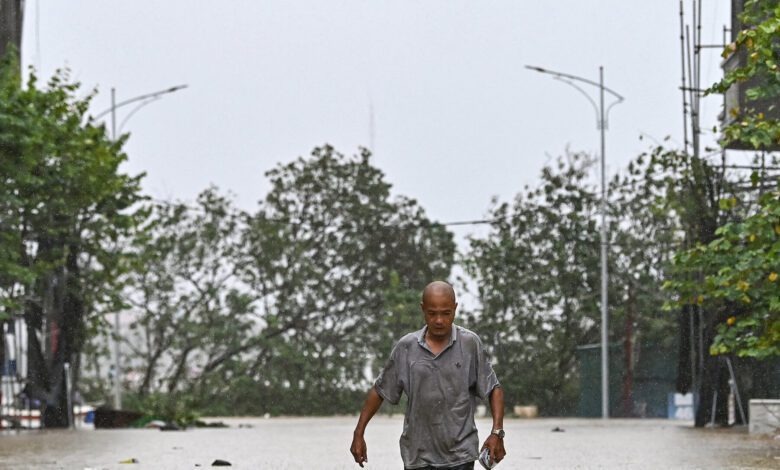
Typhoon Yagi struck northern Vietnam in September 2024 after crossing the Philippines and southern China. Vietnamese authorities reported that the death toll had risen to 143 as floods and landslides affected northern provinces. Heavy rain damaged roads, bridges, homes and electricity networks, complicating rescue and communications.
Storm totals can change as remote districts reconnect and missing people are located. The immediate priorities were search and rescue, safe evacuation, drinking water, medical care and restoring transport. Longer-term recovery includes debris removal, support for farmers and small businesses, and rebuilding infrastructure to withstand intense rainfall.
What the headline leaves out
A short headline captures the most visible development but cannot answer every question readers may have. This expanded report explains the evidence available at the time, identifies uncertainty and separates confirmed facts from interpretation. Dates, figures and quotations should be checked against the named authorities and later corrections.
Why the issue matters
Each event affects people beyond the immediate statistic. Public services shape families’ choices; housing conditions affect renters, owners and builders; a dangerous tourist site tests how communities share public space; and disease outbreaks expose the importance of basic infrastructure. Diplomatic and constitutional decisions can alter rights and obligations long after officials leave a podium.
Evidence and limitations
Official releases are valuable primary records, but they can be incomplete or contested. News organizations may rely on preliminary counts, documents obtained through access requests or statements from interested parties. Responsible readers should distinguish a reported claim, an independently verified observation and a forecast. Numbers can be revised when agencies reconcile records.
People directly affected
Coverage should keep families, patients, residents, workers and communities at the centre. Avoiding sensational language does not make a story less important. It protects people from stigma and gives decision-makers a clearer account of practical needs, including treatment, shelter, transport, legal assistance, safety information or consular access.
Government responsibility
Authorities must publish clear criteria, explain delays and provide a way to challenge decisions. In emergencies, that means timely warnings and coordinated services. In markets, it means transparent data and consumer protection. In health care, it means equitable access and privacy. In diplomacy or justice, it means due process and accountability.
What happens next
The next useful update should add evidence rather than repeat a headline. That might be a new count, a court filing, a regulator’s report, a weather assessment, a medical bulletin or a negotiated implementation plan. Readers should be cautious of viral posts that lack a date, location, named source or original document.
Balanced assessment
There may be legitimate arguments on more than one side. A policy can pursue accountability while creating new risks; a rate cut can improve affordability without solving a supply mismatch; a warning can save lives without eliminating danger. A fair article states the strongest supported case, acknowledges trade-offs and avoids presenting forecasts as certainties.
Practical guidance
People seeking help should use official helplines, local emergency services, qualified clinicians, housing counsellors, legal representatives or consular channels as appropriate. Do not enter restricted areas, share private medical information or rely on anonymous fundraising and investment advice. Preserve original documents and report suspected misinformation to the relevant authority.
Editorial standard
EnvoyPost retains the original article’s figures, images and source link while adding context and attribution. If a later official update changes a number or finding, the story should be dated and corrected visibly. The goal is a useful record that informs readers without overstating what is known.