As U.N. Meets, Pressure Mounts on Biden to Loosen Up on Arms for Ukraine
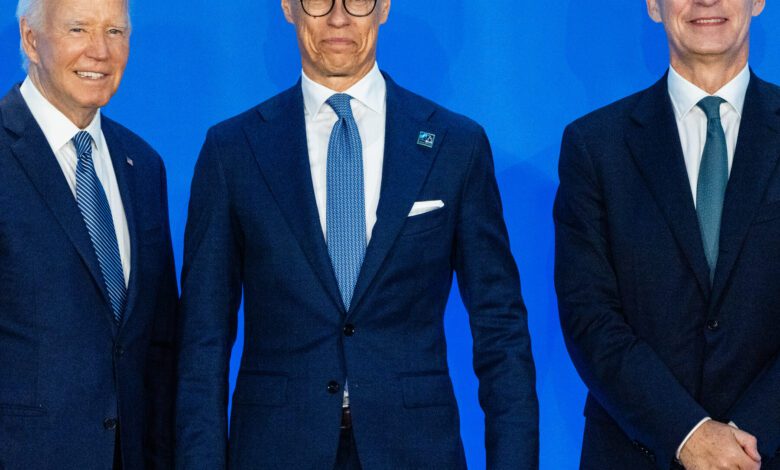
As world leaders gathered for the United Nations General Assembly in September 2024, Ukraine pressed US President Joe Biden to permit American-supplied long-range weapons to strike military targets deeper inside Russia. Supporters said the restrictions protected launch bases; Washington worried about escalation and questioned the battlefield effect.
Existing permission was limited
The United States had allowed some strikes just across the border where Russian forces attacked the Kharkiv region. It continued to restrict the use of longer-range Army Tactical Missile Systems against targets farther inside Russia.
Ukraine could use domestically produced systems under its own targeting decisions, subject to international law.
Kyiv argued that sanctuary prolonged attacks
Russian aircraft, missiles and logistics operated from locations outside the authorized range of Western weapons. Ukrainian officials said striking legitimate military launch and support sites could reduce attacks on cities and troops.
Permission would not remove requirements to distinguish military objectives and limit civilian harm.
European leaders increased pressure
Finland’s president and NATO’s outgoing secretary-general were among figures urging fewer geographic restrictions. Britain and France also discussed the use of missiles they supplied, while operational dependencies made the US position influential.
Alliance members retained their own legal and political responsibility for conditions attached to weapons.
Biden weighed escalation risk
Russia said deeper strikes with Western systems would make NATO countries direct participants and threatened a response. US officials had repeatedly calibrated aid to support Ukraine while avoiding direct war between nuclear powers.
Russian threats were part of the risk assessment but did not create a lawful veto over Ukraine’s defence.
Military value was contested
Washington said easing restrictions might not transform the battlefield because Russia could move important assets beyond missile range. Ukraine argued that relocation itself imposed cost and that ammunition depots, command sites and airfields still offered targets.
A sound decision required current intelligence, available missile stocks and expected effects rather than slogans.
Zelenskyy brought a broader plan
President Volodymyr Zelenskyy arrived in the United States to present a “victory plan” to Biden, Congress and political leaders. Long-range authority was one part of a request involving weapons, security guarantees and diplomatic leverage.
The plan’s label did not guarantee agreement or a fixed timetable for ending the war.
The UN setting emphasized legal principles
Russia’s invasion violated Ukraine’s sovereignty, and the UN Charter recognizes self-defence. The same law requires every party to protect civilians.
The General Assembly offered diplomatic visibility but could not dictate US weapons policy or overcome Security Council vetoes.
The decision required accountability
Any relaxation should define authorized weapons, target categories, intelligence procedures and review of alleged civilian harm. Secrecy may protect operations, but legislatures and the public need enough information to assess strategy.
The September debate was not a choice between unrestricted war and abandoning Ukraine. It concerned how far supplier controls should extend when an invaded state seeks to hit the military system attacking it. A defensible policy needed a clear objective, lawful targeting and continuous evaluation of both effectiveness and escalation.
It also required air defence and diplomacy to remain part of the same strategy.