First It Was Lynch Mobs. Now Police Kill Pakistanis Accused of Blasphemy.
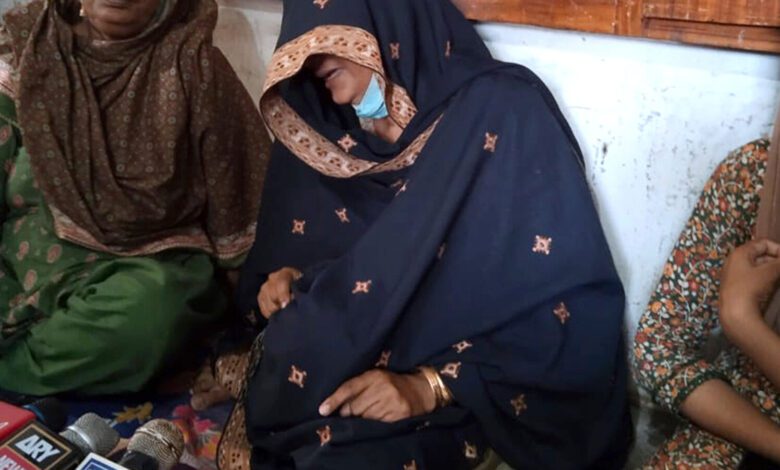
Two men accused of blasphemy were killed by police in Pakistan within one week in September 2024, escalating alarm over extrajudicial violence. A police constable shot Abdul Ali in custody in Quetta, while officers in Sindh killed doctor Shahnawaz Kumbhar in what authorities initially described as an encounter.
An accusation is not a conviction
Blasphemy allegations in Pakistan can carry severe criminal penalties and can provoke immediate mob violence. Claims may arise from personal disputes, misunderstood speech or contested online material.
Every accused person retains a right to life, counsel, evidence and an independent court. Police have a duty to protect a detainee even when a crowd demands punishment.
Abdul Ali was killed inside a station
Ali had been taken into custody after a video circulated and a case was registered. On September 12, a police constable entered the Cantonment Police Station in Quetta and shot him.
A killing inside a secured facility exposes a profound command and screening failure, regardless of what the accused was alleged to have said.
Kumbhar died after a disputed police account
Doctor Shahnawaz Kumbhar of Umerkot was accused over social-media content and went into hiding. Mirpurkhas police said he died during an exchange of fire after officers stopped two men.
Human-rights groups and later inquiries challenged that version and called the death an apparent extrajudicial killing. Officials removed senior police personnel while an investigation proceeded.
Abuse continued after death
Reports said a crowd seized and burned Kumbhar’s body after local religious figures resisted burial. The treatment deepened harm to his family and demonstrated how accusation can erase basic dignity.
Authorities must protect funerals, relatives, lawyers and witnesses as well as the accused.
Pakistan’s blasphemy laws create exceptional danger
Some offences carry a possible death sentence, although the state had not carried out a blasphemy execution. People have nevertheless been lynched or murdered before legal proceedings conclude.
The legal framework, weak safeguards and inflammatory campaigning combine to make even a false allegation potentially fatal.
Police participation changes the threat
When an officer becomes the killer or a unit stages an encounter, the institution meant to prevent mob justice reproduces it. Colleagues may also face pressure from public celebration of violence.
Secure custody, rotation, supervision and prosecution are necessary signals that personal belief cannot replace law.
Religious freedom and public safety are connected
Muslims and religious minorities have both faced accusation, while minorities often possess fewer resources to defend themselves. Reform must protect believers from hatred without criminalizing peaceful expression or enabling vendettas.
Religious leaders who demand due process can reduce danger and show that opposition to extrajudicial killing is not hostility to faith.
Independent accountability is essential
Investigations should preserve station records, weapons, communications, video and witness evidence and publish findings. Officers responsible for unlawful killing must face ordinary criminal process.
The central issue is larger than two cases: no accusation authorizes police or a crowd to execute a person. Restoring the rule of law requires protecting defendants before a verdict and holding state agents to the same law they enforce.