Zelensky Returns to Russian Strikes in Eastern Ukraine and Counterattacks in Kursk Region
President Volodymyr Zelensky returned to Ukraine in late September 2024 after meetings in the United States to find a battlefield still defined by Russian air attacks, pressure in Donetsk and competing operations in Russia’s Kursk region. The developments showed why diplomacy, air defence and ground operations could not be assessed separately.
The United States trip sought sustained support
Zelensky used the United Nations General Assembly and meetings with U.S. leaders to present what he called a victory plan. Ukraine sought additional weapons, faster deliveries and permission to use supplied long-range systems against military targets farther inside Russia.
Supporters argued that restricting range gave Russian launch sites sanctuary. Partners weighed escalation risk, stockpiles and their own rules for donated weapons.
Russian strikes continued during the diplomacy
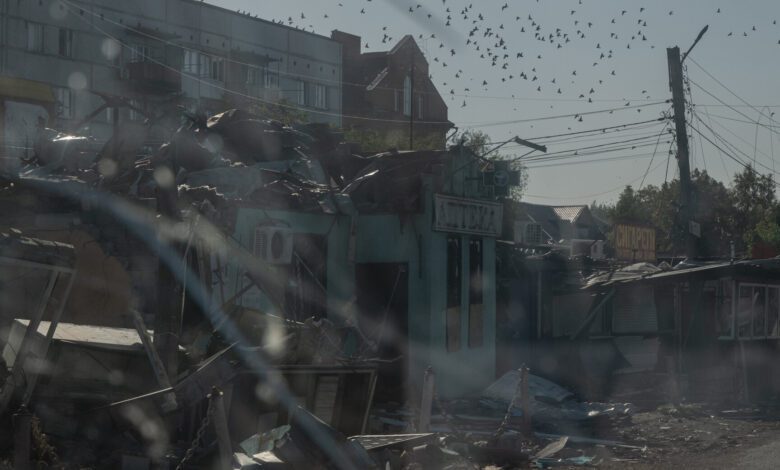
Guided bombs hit residential areas in Zaporizhzhia on September 29, injuring civilians and damaging homes and transport links. Odesa and other communities also faced missile, drone and artillery attacks.
Russia said its strikes targeted military or supporting infrastructure, while Ukrainian authorities documented damage to civilian sites. Individual claims required verification, but the continuing civilian danger was clear.
The eastern front remained Ukraine’s main pressure point
Russian forces advanced around settlements southeast of Pokrovsk and pressed toward Kurakhove and Toretsk. Pokrovsk was important for road and rail logistics serving Ukrainian positions across western Donetsk.
Movement on a map could be measured in kilometres while imposing much larger costs on troops and displaced residents. Russia’s gains were gradual, not a sudden collapse of the entire front.
Kursk created a second strategic problem
Ukraine had crossed into Russia’s Kursk region in August, capturing territory and prisoners and forcing Moscow to defend a new sector. Kyiv said the operation disrupted Russian plans and created leverage.
Russia began counterattacks in September and claimed to retake several settlements. Control was contested, and statements from both militaries could not be treated as independent confirmation.
The incursion did not stop the Donetsk offensive
Ukraine hoped pressure in Kursk would draw Russian units from eastern Ukraine. Some forces were redeployed, but Russia maintained attacks around Pokrovsk and elsewhere using its broader personnel and ammunition advantage.
This did not make Kursk meaningless. It showed that tactical diversion and strategic reversal are different standards.
Ukraine targeted logistics behind the front
Long-range Ukrainian drones struck ammunition depots and energy facilities in Russia. Kyiv said attacks on weapons storage reduced the material available for strikes on Ukrainian cities.
Russia reported intercepting many drones, while fires and secondary explosions confirmed that some reached targets. Exact inventories destroyed were difficult to verify from public evidence.
Air defence remained a humanitarian need
Patriot and other systems could protect cities and infrastructure, but interceptors were finite and not every threat could be covered. Glide bombs launched from aircraft outside short-range defences posed a particular challenge near the front.
Protection also required shelters, warnings, repaired power networks and evacuation support. Military aid translated directly into civilian survival, but could not eliminate risk.
Claims of a decisive turn were premature
Russia held the overall initiative in parts of eastern Ukraine, while Ukraine demonstrated the ability to strike logistics and seize ground inside Kursk. Both sides incurred losses they disclosed incompletely.
Zelensky returned from the United States with continued political backing but no instant solution to shortages or escalation constraints. At the end of September, the war remained an attritional contest across connected fronts. Honest reporting had to show Russia’s advances, Ukraine’s counterpressure and the civilian cost without turning any single operation into proof of inevitable victory.