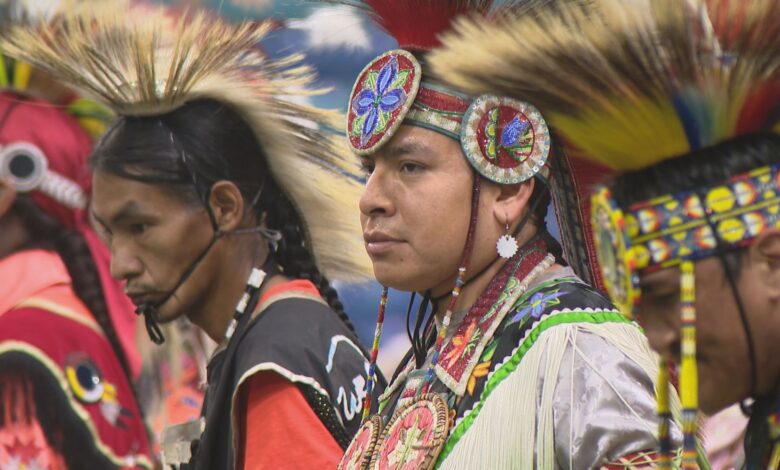
Communities across Saskatchewan marked the National Day for Truth and Reconciliation and Orange Shirt Day on September 30, 2024, through ceremonies, education and remembrance. The day honours children who were taken to residential schools, those who never returned and survivors, families and communities living with the continuing effects.
The federal observance began in 2021
Parliament established September 30 as a federal statutory holiday after renewed attention to unmarked graves and missing children associated with former residential-school sites. Orange Shirt Day had already grown from survivor Phyllis Webstad’s story of having her orange shirt taken on her first day at school.
The message that every child matters centres the dignity denied by the system rather than turning the colour into a seasonal symbol without history.
Residential schools were government policy
For more than a century, Canadian governments funded institutions largely operated by churches to separate Indigenous children from family, language and culture. Many children experienced neglect, abuse, hunger and preventable disease.
The Truth and Reconciliation Commission documented thousands of deaths and said the system amounted to cultural genocide. Records and community-led searches continue to clarify the fate and burial places of missing children.
Saskatchewan has many direct connections
Residential schools operated across the province, and survivors and descendants live in First Nations, Métis and urban communities. Events included walks, cultural gatherings, school programmes and visits to memorials.
The province invited residents to the Residential School Memorial on the grounds of Government House in Regina and encouraged participation in local learning.
Provincial proclamation did not create a general holiday
Saskatchewan proclaimed the day for recognition, but September 30 was not a public holiday under the Saskatchewan Employment Act. Federally regulated employees had statutory-holiday rights, while provincially regulated workplaces were not generally required to close or provide holiday pay.
This distinction explains why some people attended ceremonies while others worked. Commemoration and employment-law status are related policy choices but not the same thing.
Education must include survivor voices
Schools and institutions can use survivor testimony, treaty education and locally guided resources. Inviting Indigenous knowledge keepers requires consent, preparation and appropriate compensation.
Teachers should avoid activities that simulate trauma or ask Indigenous students to educate classmates. The goal is truthful learning, not spectacle.
Reconciliation extends beyond one day
The commission issued 94 Calls to Action covering child welfare, education, language, health, justice, media, sport and institutional accountability. Progress is uneven and requires measurable policy and funding.
Wearing orange is meaningful when paired with action such as reading the calls, supporting language revitalization, correcting public records and challenging discrimination.
Commemoration should not collapse distinct peoples
First Nations, Inuit and Métis communities have different histories, governments and experiences. Local nations should guide how events describe treaties, schools and survivors in their territories.
Broad Indigenous imagery without attribution can reproduce the erasure the day is intended to confront.
Truth precedes reconciliation
The ceremonies across Saskatchewan created space for grief, survival and public learning. They did not complete reconciliation or absolve institutions through attendance.
A responsible observance carries verified history into everyday decisions: how records are released, children are protected, survivors receive care and Indigenous jurisdiction is respected. September 30 is a focal point for that work. Its value depends on what governments, schools, churches, employers and residents do during the rest of the year.