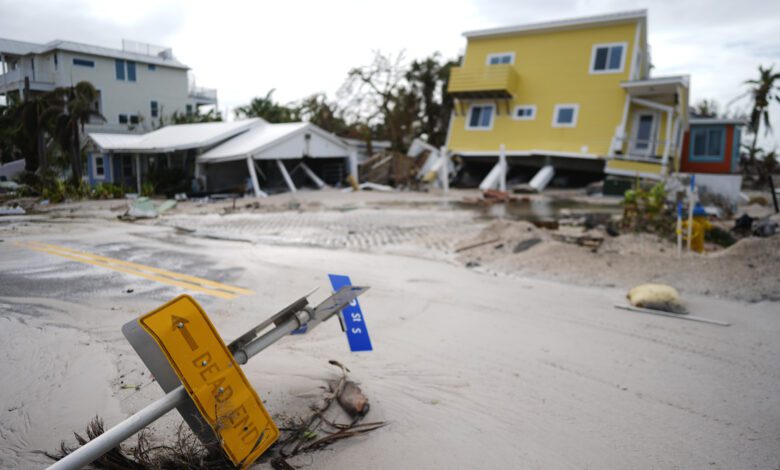
United Nations Secretary-General António Guterres told leaders at the COP29 climate summit on November 12, 2024, that the world was witnessing a “masterclass in climate destruction” and running out of time to keep the 1.5°C warming goal within reach.
Speaking at the World Leaders Climate Action Summit in Baku, Azerbaijan, Guterres linked record heat and damaging weather to the need for faster emissions cuts, stronger protection for vulnerable communities and much more climate finance for developing countries.
What the 1.5°C warning meant
The 1.5°C figure refers to the Paris Agreement effort to limit the increase in long-term global average temperature above the pre-industrial level. It is not a claim that every location becomes unsafe on a single day when a monthly or annual average crosses that mark. Risks from heat, drought, fire, intense rainfall and sea-level rise grow as warming increases, making every fraction of a degree important.
Guterres called 2024 almost certain to be the hottest year recorded at that point and said human-caused climate change was intensifying destructive events. His speech was an appeal for political action, while the underlying temperature assessments came from scientific agencies and datasets that are updated as observations are completed.
Climate finance was the central dispute
Developing countries argued that they needed predictable grants and affordable finance to replace high-emitting infrastructure, adapt to climate impacts and recover from losses they contributed comparatively little to causing. Guterres urged wealthy countries to increase support and called for reforms that would make multilateral development-bank lending larger and less expensive.
Finance negotiations involve several distinct questions: how much money should be mobilised, who should contribute, how much should be public rather than private, whether funds arrive as grants or debt, and how access can be made faster. A large headline number can conceal those differences.
What COP29 later agreed
The conference ended on November 24 with a new collective finance goal. Parties agreed to increase annual support for developing countries to at least US$300 billion by 2035 and called on all actors to work toward scaling public and private climate finance to at least US$1.3 trillion per year by 2035.
UN Climate Change described the result as a major increase from the earlier US$100 billion goal. Many developing-country representatives and civil-society groups nevertheless said the core commitment was too small, arrived too late and relied too heavily on finance that could add debt. Both facts belong in a balanced account: an agreement was reached, and its adequacy remained contested.
How to judge progress after a summit
A conference decision does not itself cut emissions or deliver a seawall, clean-power project or early-warning system. Progress depends on national policies, appropriations, transparent accounting and projects that reach communities. Finance reported as mobilised should be separated from money actually disbursed, and loans should be distinguished from grants.
The speech’s lasting test is therefore measurable implementation: emissions trajectories, adaptation coverage, loss-and-damage support and whether climate funding becomes accessible without worsening debt distress. The 2024 warning remains an archived intervention from COP29, while current climate indicators and finance delivery must be checked against later official reports.
Sources: United Nations account of the November 12 address; UNFCCC summary of the COP29 finance agreement.