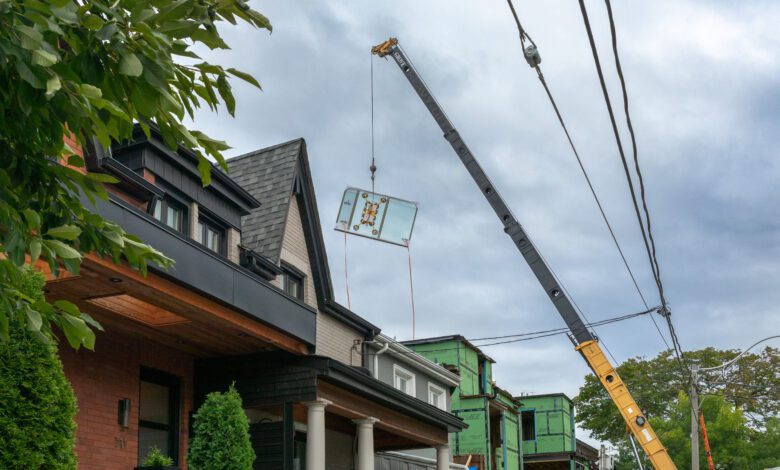
Canadians spent roughly C$300 billion on residential renovations between 2019 and 2023, according to a 2024 Re/Max Canada report. The total was about eight per cent higher than the preceding five-year period and reflected pandemic lifestyle changes, older housing and rising project costs.
The figure covered five years
The C$300 billion headline was cumulative, not an increase of that amount in a single year. Annual renovation expenditure was reported near C$60 billion by 2024, up from about C$52.6 billion in 2014.
Inflation means dollar growth does not equal the same growth in completed work.
Pandemic life changed household priorities
Remote work, more time at home and demand for outdoor or flexible space encouraged kitchens, offices, basements and additions. Travel restrictions also redirected some discretionary spending.
Those conditions varied widely by income and housing tenure.
High transaction costs favoured renovation
Owners facing expensive home prices and limited listings could improve an existing property instead of moving. Renovation can adapt a home to aging, disability or multigenerational use.
Not every project produces a resale return equal to its cost.
Materials and labour became more expensive
Supply disruptions, lumber volatility and skilled-trade shortages raised bids during parts of the period. A higher invoice may reflect price rather than a larger or better improvement.
Comparisons should use construction-cost indexes where possible.
Energy upgrades offered long-term value
Insulation, windows, heat pumps and air sealing can reduce bills and emissions when suited to the building. Grants and financing influenced timing.
Good sequencing starts with an assessment so cosmetic work does not need to be removed for later efficiency repairs.
Permits and contracts protect owners
Structural, electrical and plumbing work may require municipal approval and licensed trades. Written scope, payment milestones, insurance and change-order rules reduce disputes.
A suspiciously low cash quote can expose a homeowner to unsafe work, liens or no practical warranty.
Debt changed the risk
Some households used savings, while others borrowed through credit lines or refinancing. Rising rates increased carrying costs after the pandemic.
Expected resale value should not be treated as guaranteed collateral for discretionary upgrades.
The spending reflected housing pressure
Large renovation demand supported trades and improved existing stock, but it also showed how households adapted when moving or finding suitable housing was difficult. Renters generally could not capture the same benefit.
The C$300 billion estimate demonstrated scale, not universal prosperity. Project quality, affordability, safety and actual improvements per inflation-adjusted dollar were the better measures of what the renovation boom achieved.
Homeowners should build contingency into budgets because hidden moisture, wiring or structure can alter scope after work begins. Competitive written bids are useful only when they cover comparable materials and tasks. Municipalities can improve outcomes through predictable permits and enforcement against fraudulent contractors. Better renovation data would also separate repairs, accessibility, energy performance and luxury upgrades, categories with very different social and economic value.
That additional category detail would make future renovation-spending headlines considerably more informative, comparable and useful for sound public policy.