How Fentanyl Enters the U.S., One American Smuggler at a Time
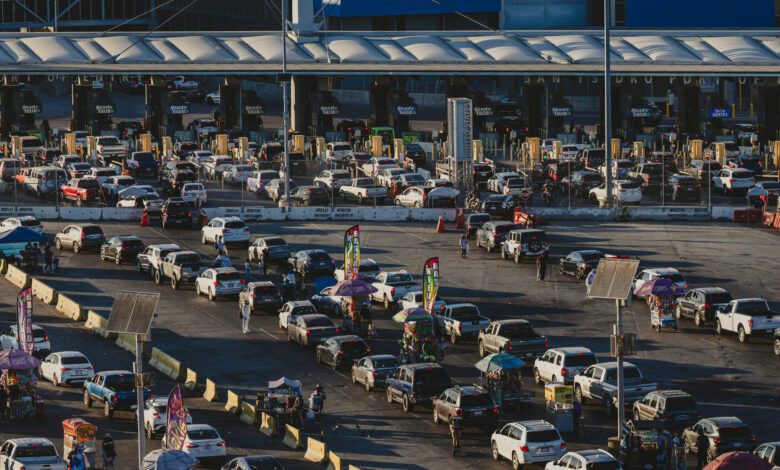
Fentanyl entering the United States from Mexico is commonly concealed in vehicles at official border crossings, and American citizens make up a large share of the couriers caught moving it. That reality complicates political claims that portray the trade primarily as a product of migrants crossing between ports.
Cartels exploit routine legal traffic
Millions of people, cars and commercial shipments pass through ports of entry for lawful work, family visits and trade. Traffickers hide compact loads in vehicle panels, tyres, dashboards, fuel tanks or cargo and hope they blend into that volume.
Fentanyl is exceptionally potent, so a shipment with enormous retail value can occupy far less space than an equivalent number of doses of many other drugs. That makes concealment in passenger vehicles attractive.
Citizens can cross with less scrutiny
Recruiters seek people who possess valid travel documents and appear ordinary to inspectors. Couriers may use their own vehicle or receive one prepared by traffickers after crossing into Mexico.
Some know exactly what they carry; others claim deception or coercion. Citizenship does not remove inspection authority or criminal liability, but it can make a traveller seem less conspicuous than the stereotype used in political rhetoric.
Official data show where seizures occur
The Department of Homeland Security reported that more than 90 percent of interdicted fentanyl was stopped at ports of entry, primarily in vehicles driven by United States citizens. Separate analyses of apprehension data likewise found citizens constituted roughly four out of five people caught smuggling fentanyl at the southwest border during the studied years.
Seizure data do not measure every successful shipment. They do, however, show what officers are finding and contradict the claim that the typical detected load is carried by a person seeking asylum on foot.
Small payments transfer enormous risk
Cartels can offer couriers cash while keeping organizers distant from the border. People facing debt, addiction or unstable work may accept without understanding the quantity hidden or the sentence they could face.
Recruitment through acquaintances and social media can make the transaction look informal. The legal consequences are not: federal trafficking charges can carry lengthy imprisonment, especially when quantities are large.
Interdiction is necessary but incomplete
Vehicle scanners, canine teams, intelligence and targeted secondary inspections can raise the chance of detection. Inspecting every vehicle manually would paralyse legitimate crossings and trade, so authorities have to manage risk.
Cartels adapt routes and concealment when enforcement changes. A seizure removes a shipment but may not identify chemists, financiers, corrupt facilitators or the distribution network inside the United States.
The supply chain begins before the border
Mexican criminal organizations manufacture illicit fentanyl using chemical precursors and equipment obtained through international supply chains. Finished drugs then move through wholesale networks in American cities.
Effective enforcement therefore includes precursor controls, financial investigations, cooperation with Mexico and other countries, action against firearms moving south and prosecution of high-level organizers—not only arrests of replaceable drivers.
Demand and overdose prevention also matter
Fentanyl is present in counterfeit pills and other drugs, sometimes without the user’s knowledge. Naloxone access, drug checking, evidence-based treatment and clear health information can prevent deaths even when enforcement does not stop supply.
People who use drugs and low-level couriers are not interchangeable, and neither group alone explains an international market. Policy should distinguish prevention, treatment and trafficking roles.
Accurate framing improves border policy
Irregular migration and drug trafficking are both legitimate policy concerns, but combining them without evidence directs attention away from the methods used in most detected fentanyl cases. It can also stigmatize migrants who have no connection to the trade.
The practical lesson is that traffickers recruit people able to cross normally and conceal high-value loads in ordinary traffic. Reducing fentanyl deaths requires smarter port screening and network investigations alongside public-health measures inside the country.