Canada expanded an immigration inadmissibility measure in September 2024 so it covered senior officials who served in Iran’s government at any time since June 23, 2003. The earlier designation had applied only from November 15, 2019, leaving a much shorter period under the special regime provision.
What the change did
Under the Immigration and Refugee Protection Act, Canada can designate a government as a regime involved in terrorism or systematic or gross human-rights violations. A person determined to have been a senior official during the designated period can be found inadmissible, refused a visa or entry, lose temporary or permanent status and face removal proceedings.
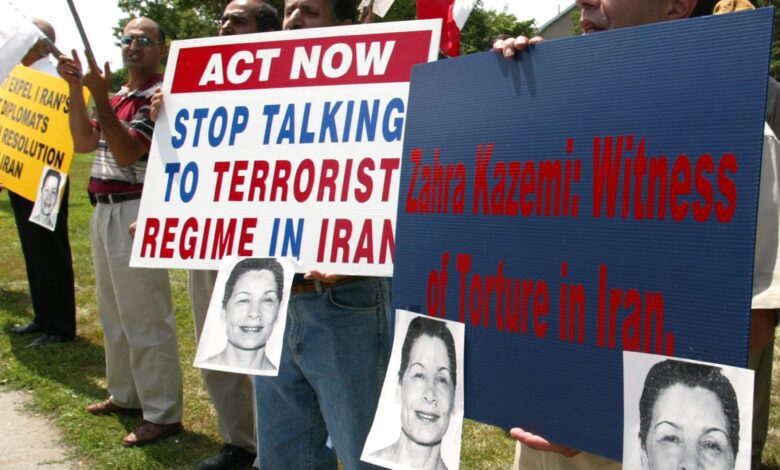
The start date was moved to June 23, 2003, when Iranian-Canadian photojournalist Zahra Kazemi was detained in Iran. She was tortured and died in custody. The federal government said the date better reflected the Iranian regime’s sustained conduct and greatly expanded the pool of former officials who could be assessed.
Inadmissibility is a legal process
The announcement did not mean every Iranian citizen, public employee or person connected with Iran was banned. The legal category concerns senior officials of the designated regime. Whether an individual meets that definition depends on their position, responsibilities, influence and the evidence available.
When an inadmissibility report is prepared on this ground, the matter can be referred to the Immigration and Refugee Board for a decision. Individuals have procedural rights, and enforcement must be based on law and evidence. A news report cannot determine someone’s status from a photograph, job title or unverified social-media allegation.
Relationship to other Canadian measures
The immigration designation is distinct from economic sanctions and from the Criminal Code list of terrorist entities. Canada listed the Islamic Revolutionary Guard Corps as a terrorist entity in June 2024. It has also sanctioned Iranian individuals and entities under separate regulations. The measures can overlap in purpose but have different legal tests and consequences.
A sanctions listing can restrict financial dealings, while immigration inadmissibility governs entry and status. Criminal liability requires the elements of a criminal offence. Reporting should not treat those three frameworks as interchangeable.
Why precision matters
The federal government presented the expansion as accountability for terrorism and serious human-rights violations and as a safeguard against Canada becoming a haven for senior regime members. Critics and affected individuals may challenge how broadly “senior official” is interpreted, which makes transparent reasons and independent review important.
The designation period was described as open-ended, with no specified closing date. People with information about a potentially inadmissible individual can use the Canada Border Services Agency’s reporting channels, but tips are not findings and should not become public accusations without evidence.
The confirmed policy change is the date: service as a senior Iranian government official from June 23, 2003 onward became relevant to the special inadmissibility measure, replacing the earlier 2019 threshold.
The measure also should not be described as a nationality ban. Iranian dissidents, refugees and ordinary travellers are not rendered inadmissible by citizenship alone. Canadian officials still apply all other immigration and security provisions on an individual basis. Keeping those distinctions clear protects both accountability and due process, particularly when public allegations can endanger people who opposed the regime rather than served as its senior decision makers.