
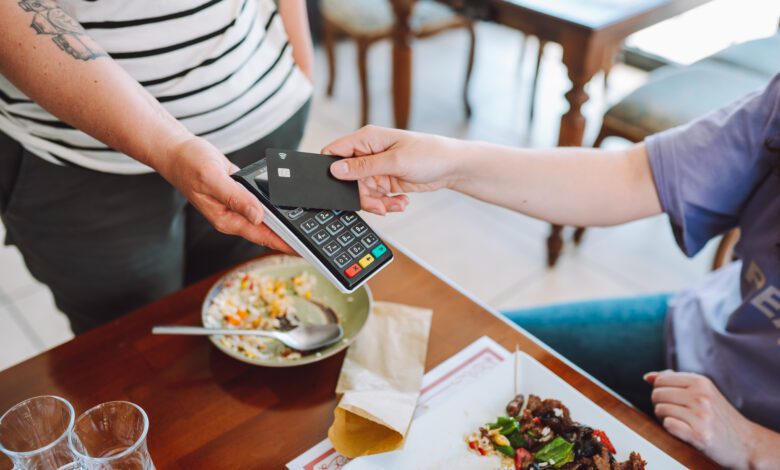
Quebec’s proposed Bill 72 drew mixed reactions from Montreal restaurant workers and customers in September 2024 because it targeted a small but contentious detail: how payment terminals calculate suggested tips. The bill required percentage suggestions to use the pre-tax price, making the displayed rate match the amount most diners expect it to represent.
The calculation could otherwise be misleading
When a terminal applies 18 per cent after federal and provincial sales taxes, the gratuity is larger than 18 per cent of the food and service price. The screen may show a familiar percentage without making that difference obvious.
Bill 72 sought to remove the ambiguity rather than prohibit tipping.
Customers would still choose the amount
The proposal allowed merchants to display predetermined dollar amounts or percentages, but it also required an option for the consumer to enter a custom tip. A customer could still leave more, less or nothing.
Tipping remained voluntary, and the law did not create a mandatory service charge.
Consumer advocates welcomed clearer prompts
Supporters said a transparent pre-tax base helped people make an informed decision at a moment when screens can create social pressure. They viewed the change as a modest correction to “tip creep,” including higher suggested percentages and prompts in settings where tips were once uncommon.
Clear design is especially useful when a queue is waiting behind the payer.
Some restaurant workers feared lower income
Servers interviewed in Montreal worried that smaller calculated amounts could reduce take-home pay. In Quebec, employees who regularly receive tips have a separate minimum-wage category, and gratuities can form a significant part of earnings.
The concern was real even though the bill did not lower a worker’s statutory hourly rate.
Restaurant owners faced a practical adjustment
Businesses would need payment processors to update terminal settings and ensure staff could explain the new calculation. Modern systems generally store the pre-tax subtotal, so the technical change was feasible, but implementation still required coordination.
Receipts and prompts also needed to remain accurate when discounts or service charges applied.
The bill covered more than gratuities
The consumer-protection package also addressed grocery price displays and the information merchants provide about unit pricing. Its broader purpose was to make everyday prices easier to understand and compare during a period of affordability pressure.
The tipping provision attracted attention because it was immediately familiar to diners.
A suggested percentage is not a service judgment
Preloaded options are designed by a merchant or payment system. They do not establish a legal or moral minimum, and a high first button may influence choice through convenience rather than reflect local custom.
Consumers benefit when screens communicate that distinction without shaming them.
Tips also raise labour-policy questions
Debate about terminal math cannot substitute for discussion of wages, scheduling, tip sharing and income stability. Workers should not have to rely on confusing interfaces for adequate compensation, while customers should know what they are paying.
Transparent calculation and fair labour standards are complementary rather than competing goals.
The reform set a clear baseline
The eventual statutory text required suggested percentage tips to exclude Quebec sales tax and the federal goods and services tax. It permitted only predetermined amounts plus a consumer-selected option on the interface.
That rule did not settle Quebec’s wider tipping culture. It did establish that an advertised 15, 18 or 20 per cent should be calculated from the price of the purchase, allowing the customer—not the software—to decide whether a different gratuity was appropriate.



