Eastern equine encephalitis attracted renewed attention in Canada in September 2024 after infections in horses and a fatal human case in Ottawa. The mosquito-borne virus is rare, but severe neurological disease can be deadly, and public-health officials cautioned that infections were probably underreported.
The virus cycles between birds and mosquitoes
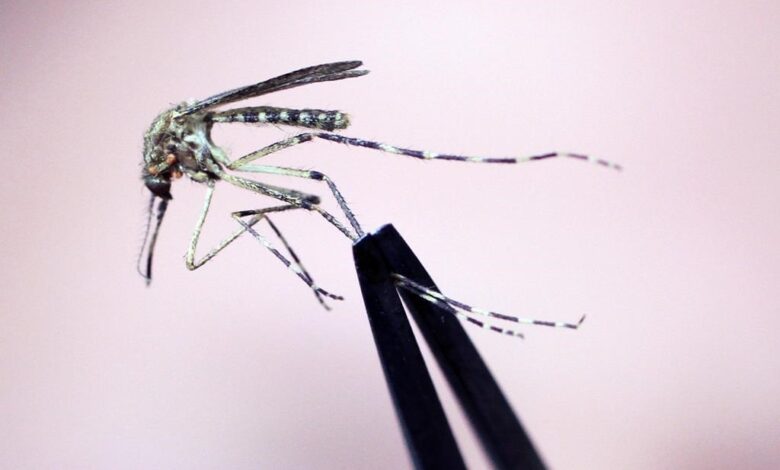
Eastern equine encephalitis virus is maintained mainly in wild birds and mosquitoes associated with swamp habitats. Other mosquito species can sometimes carry it from that cycle to people or horses.
Humans and horses are generally considered dead-end hosts because they do not develop enough virus in their blood to continue transmission.
Most infections are not recognized
Many infected people develop no symptoms. Others may have fever, chills, muscle aches or joint pain, while a small proportion develop meningitis or encephalitis with headache, vomiting, confusion, seizures or coma.
People with mild or no illness are unlikely to be tested, contributing to undercounting.
Severe disease carries major risk
Among people who develop neurological EEE, death and lasting disability are substantial concerns. Older adults and children have been described as particularly vulnerable, although serious disease can occur at other ages.
Survivors may require prolonged care for cognitive, behavioural or physical impairments.
Canadian surveillance had limitations
Unlike West Nile virus, EEE was not nationally notifiable in Canada at the time. The Public Health Agency of Canada compiled information from provincial and territorial partners, but warned that counts should be interpreted cautiously.
A rare diagnosis, uneven testing and the absence of mandatory national reporting can all obscure the true number of infections.
Horse cases act as a warning
Veterinary detections show that infected mosquitoes are active in an area, though they do not predict exactly who will become ill. Ontario had reported multiple equine cases during 2024, and horses can be protected with veterinary vaccination.
There was no licensed human EEE vaccine available for routine public use.
Treatment is supportive
No specific antiviral treatment cures EEE. Hospital teams manage breathing, seizures, brain swelling and other complications while the immune system responds.
Anyone with severe headache, confusion, weakness, seizure or altered consciousness should receive urgent medical assessment rather than attempting to diagnose the cause at home.
Mosquito precautions reduce exposure
Health agencies recommend approved repellent, long sleeves when practical, intact window screens and removal of standing water around homes. Mosquito activity is often greatest around dusk and dawn, although local species and conditions vary.
Communities can supplement personal protection with surveillance and targeted mosquito control based on evidence.
Risk communication should avoid panic
The severity of encephalitis makes EEE important, but the probability of an individual infection remained low. Reporting only the high fatality proportion for neurological cases can misleadingly imply that the same outcome applies to every mosquito bite or infection.
A clear account separates infection, symptomatic illness and severe neuroinvasive disease. It also states when data are preliminary or incomplete.
The 2024 alerts justified vigilance and better surveillance, not fear of outdoor activity. Authorities should strengthen consistent reporting, clinicians should consider relevant exposure and symptoms, and residents should take ordinary mosquito precautions while relying on local health guidance for changing conditions.