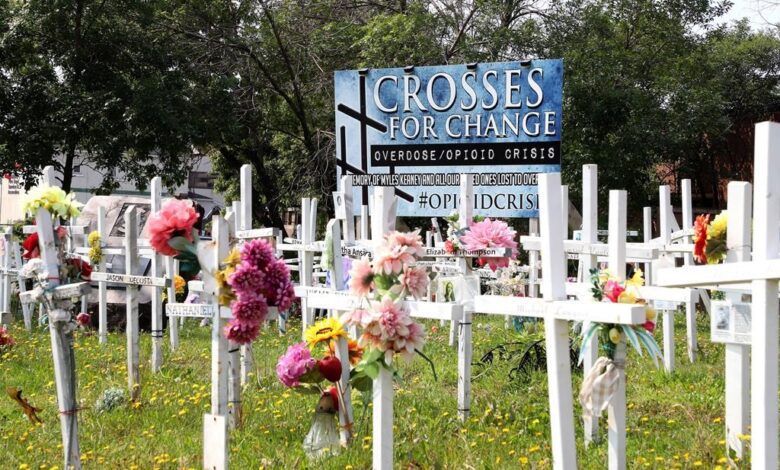
Communities across Ontario were creating memorials for people lost to drug poisoning as the toxic unregulated opioid supply continued to kill. In September 2024, projects in places including Guelph reflected a shift from temporary remembrance events toward permanent public spaces for grief and reflection.
The deaths were not conventional overdoses alone
Public-health experts increasingly used terms such as toxic-drug death or drug poisoning because illicit fentanyl and unpredictable mixtures made dose and contents unknowable. A person could consume a substance different in strength or composition from what was expected.
That framing locates risk in an unsafe supply as well as in individual use.
Guelph planned a contemplative space
People with direct experience, the Wellington Guelph Drug Strategy and community partners helped design a permanent area in a city park. Organizers intended it to recognize those who died and provide a place where families and friends could mourn without stigma.
The participatory approach mattered because bereaved people understood what an ordinary monument might miss.
Memorials make an often-hidden toll visible
Families affected by substance use can encounter judgment, isolation and language suggesting that a death was self-inflicted or less worthy of sympathy. Public remembrance affirms that every person had relationships, history and value beyond the circumstances of death.
It can also document a crisis whose victims may otherwise be reduced to a statistic.
Remembrance is not a substitute for prevention
Naloxone access, overdose-response education and supervised consumption services can prevent immediate deaths. Treatment, withdrawal management, mental-health care, supportive housing and primary care must be available without long waits or punitive barriers.
No single intervention serves everyone, and survival is necessary before recovery or stability is possible.
A toxic market calls for health measures
When prohibited drugs vary from one purchase to the next, abstinence-only messaging does not protect people who continue to use. Drug checking, clear alerts and evidence-based safer-supply programmes have been proposed or used to reduce exposure to unpredictable street substances.
Policies should be assessed through deaths, health outcomes and community effects rather than slogans.
Ontario’s response was politically contested
Municipalities, health agencies and the province debated supervised sites, treatment capacity and neighbourhood safety. Residents could have legitimate operational concerns, but those concerns should be answered with management plans and data rather than depicting clients as disposable.
Closing a service without a reachable alternative can move drug use and risk rather than end either.
Data need context
Coroner counts can lag and may be revised after toxicology. Reports should distinguish confirmed and probable opioid-toxicity deaths, specify geography and dates, and avoid comparing partial periods as though they were complete years.
The same care applies to claims that one policy caused a short-term change.
Families asked for action as well as memory
A memorial can become a place for annual observance, education and advocacy. Its existence should remind governments that the people represented were preventable losses, not an inevitable background condition.
Effective action joins compassion with evaluation: rapidly reverse poisoning, make treatment and housing reachable, reduce the danger of the supply and publish transparent results. It also includes people who use drugs and bereaved families in programme design.
The Ontario memorial projects carried a simple public message. Grief deserves space, stigma worsens harm, and remembering a person should strengthen the demand for policies capable of keeping others alive.