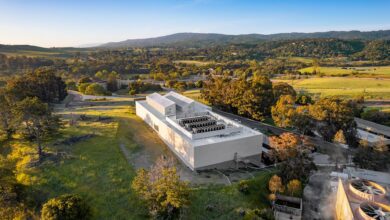
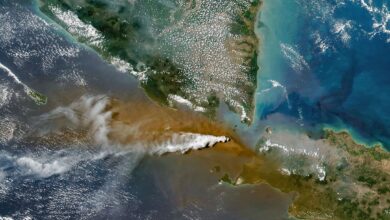
Piikani Nation elders and community members spoke against renewed coal development at Grassy Mountain in Alberta’s Crowsnest Pass in September 2024. Their intervention emphasized water, treaty rights, cultural responsibility and the legacy of earlier mining in the Rocky Mountain headwaters.
The project had already faced rejection
A federal-provincial review panel rejected an earlier open-pit metallurgical coal proposal in 2021 after finding that likely environmental effects outweighed economic benefits. Concerns included water quality, at-risk species and impacts on Indigenous peoples.
Federal and provincial decisions subsequently denied approvals for that version of the mine.
Northback returned with new applications
Northback Holdings, formerly Benga Mining, applied to the Alberta Energy Regulator for exploratory drilling, water diversion and related activity. Supporters characterized the work as gathering information, while opponents saw it as a path to revive a project already assessed.
The legal treatment of the applications became part of the dispute.
Piikani voices were not uniform
Elders and grassroots members opposing the proposal said elected leadership did not speak for every community view. At different points, Piikani leadership distinguished limited data collection from consent to a commercial mine.
Reporting must not collapse a nation into one presumed position or use internal disagreement to dismiss Indigenous rights.
Water was central
Coal disturbance can expose selenium-bearing rock, allowing the element to enter streams. Elevated selenium can accumulate through aquatic food webs and damage fish reproduction, creating impacts far downstream and long after extraction.
The Oldman River system supports communities, agriculture, habitat and cultural practices beyond the immediate site.
The land carries cultural and treaty relationships
Piikani people are part of the Blackfoot Confederacy and have longstanding responsibilities and use across the region. Effects on hunting, plants, water and access cannot be captured only by jobs, royalties or municipal tax estimates.
Consultation requires meaningful consideration of rights, not simply notification after a preferred decision.
Local economic hopes were real
Crowsnest Pass has a deep mining history, and some residents supported development for employment and municipal revenue. A local vote could demonstrate community sentiment.
The municipality, however, could not alone decide federal, provincial or Indigenous rights questions whose effects extend beyond its boundary.
Legacy liabilities shaped distrust
Opponents pointed to unreclaimed or polluting mine sites and asked who would pay for treatment if a company failed or impacts continued for decades. Financial assurance and enforceable closure plans are therefore core evidence, not secondary details.
Promised modern practices need independent testing against site-specific hydrology.
Consent cannot be assumed from selective support
Regulators needed to examine cumulative effects, new scientific evidence and the earlier panel findings rather than treating an exploration label as proof of low consequence. Piikani decision-making also deserved time and respect free from corporate or political simplification.
The elders’ opposition placed an intergenerational question before Alberta: whether a temporary coal opportunity justified risks to headwaters and treaty-connected landscapes. A credible answer required transparent science, full regulatory process, adequate financial security and meaningful participation by all affected Indigenous nations.
Until those conditions were met, claims that the project had community or Piikani consent overstated a divided and evolving record.