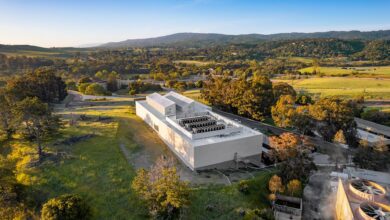
Peter Ballantyne Cree Nation and Saskatchewan Polytechnic began a ground-penetrating radar survey at the former Sturgeon Landing Residential School site on September 23, 2024. The First Nation-led search sought possible unmarked graves while honouring children taken from their families, cultures and identities.
The school operated for more than two decades
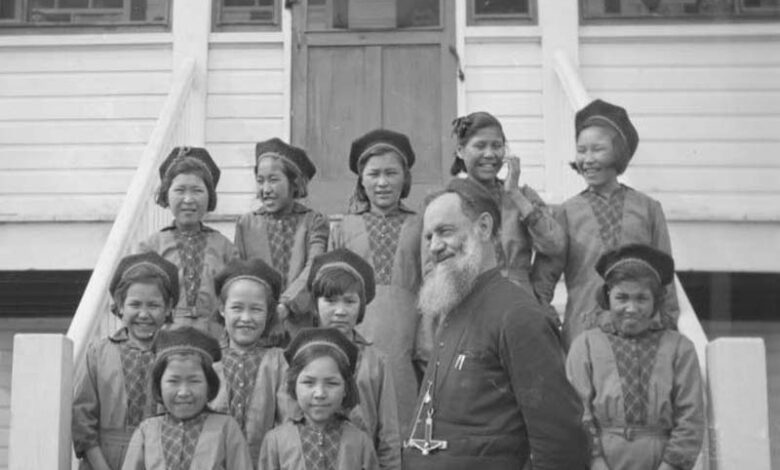
Sturgeon Landing Residential School opened in 1926 and was managed by the Sisters of Saint Joseph of Saint-Hyacinthe. The building burned in 1952 and was not rebuilt.
Institutional records, survivor knowledge and physical evidence all contribute different parts of its history.
The first field period was scheduled for five days
The team planned to work through September 27 during limited daytime hours. The site’s size, geology and land conditions meant further work was likely in 2025.
A short survey should not be described as a complete search of every possible area.
Radar detects anomalies, not identities
Ground-penetrating radar sends signals into the soil and records subsurface differences that may be consistent with graves. Roots, rocks, utilities and disturbed ground can produce other anomalies.
Qualified interpretation, archival research and community knowledge are required before announcing conclusions.
The community controls the process
Peter Ballantyne Cree Nation vice-chief Justin Halcrow described the work as part of truth, remembrance and healing. Decisions about ceremony, disclosure, additional investigation and any disturbance of land belong with affected Indigenous communities.
Technical partners should support that authority rather than dictate what happens next.
Language must remain precise
A radar signal is a potential unmarked burial feature, not automatically a confirmed grave or identified child. At the same time, technical caution should never be used to dismiss survivor testimony or the documented residential-school system.
Reports can hold scientific precision and historical truth together.
Trauma-aware coverage is essential
Searches can renew grief for survivors and relatives. Media should avoid intrusive imagery, seek consent, publish support resources and resist turning a sacred process into spectacle.
Names of children should be released only through community-approved verification and family notification.
The search forms part of a larger record
First Nations across Saskatchewan have combined oral histories, documents and geophysical work to investigate undocumented deaths and burial places. Earlier federal and provincial funding supported community-led research and ceremonies.
Each site has distinct evidence and should not be reduced to a national running total.
Truth requires long-term support
Funding must extend beyond the first survey to archives, data stewardship, mental-health support, commemoration and whatever next steps the Nation chooses. Churches and governments holding records should provide complete, timely access.
The Sturgeon Landing work was important precisely because it was careful and community led. Its immediate purpose was not to produce a dramatic number but to search respectfully, preserve evidence and restore children to the historical record. Public institutions should support that process for as long as it takes and accept accountability for the system that made it necessary.
Readers affected by residential-school coverage should have access to culturally appropriate crisis and wellness services. Providing those contacts is part of responsible publication, not an implication that survivors are unable to speak publicly. It recognizes that discovery work can affect families differently and that support should remain available after media attention moves elsewhere.