
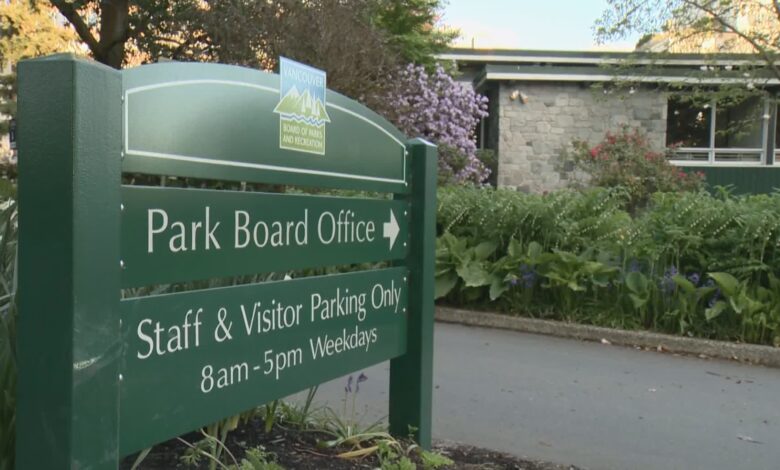
Vancouver Park Board commissioners considered a September 2024 motion to modernize the 134-year-old elected body and resist city council’s plan to abolish it. The proposal sought public engagement, a revised funding relationship, stronger maintenance and protection of green space while the provincial decision remained pending.
City council had voted for dissolution
In December 2023, Mayor Ken Sim’s majority directed that park responsibilities be absorbed into city hall. Supporters cited duplicated administration, neglected facilities, red tape and blurred accountability between council and commissioners.
The change could not be completed unilaterally because provincial legislation established the elected board.
The board managed a broad portfolio
Commissioners oversaw roughly 250 parks as well as beaches, community centres, marinas, golf courses and other facilities. City council still approved the board’s budget and capital plan.
That split between operational authority and financial control was central to arguments on both sides.
Chair Brennan Bastyovanszky challenged the transition
He said the mayor had not produced a public plan or transition-team minutes and disputed claims of millions in savings. The board’s motion called for it to remain democratically elected.
Criticism of missing detail was legitimate even though it did not itself prove that the existing structure performed well.
The motion proposed institutional changes
It directed staff to seek a new funding formula with the city, improve facility maintenance and convert parks classed as temporary into permanent green spaces. It also sought greater protection against development.
Each objective required legal, financial and land-use detail to become enforceable.
Public participation was a central claim
Directly elected commissioners argued that residents had a dedicated avenue for decisions about parks and recreation. Abolition supporters said one elected council could be more clearly accountable.
A meaningful consultation needed to test both models, not ask only whether residents liked parks.
Provincial politics shaped the outcome
Then-premier David Eby said an NDP government would facilitate abolition, while BC Conservative leader John Rustad called for a referendum. The issue therefore extended into the October provincial election.
Provincial authority did not remove Vancouver’s responsibility to publish a credible operating plan.
Service should be evaluated independently of structure
Residents needed maintained pools, fields, trees, seawalls and community centres regardless of the governance model. Baseline data on work orders, asset condition, permits, staffing and costs would allow fair comparison after any change.
Without baselines, both promised savings and predicted damage become difficult to test.
The motion asked for reform before elimination
Its strongest argument was that shortcomings could be addressed through funding and mandate changes while preserving a specialized elected institution. Its weakness was that reform still needed cooperation from the council controlling money.
The responsible path required transparent transition analysis, public input and continuity of services. Abolishing or retaining the board was not an end in itself; the test was whether Vancouver’s green spaces remained protected, accessible and competently maintained under accountable democratic oversight.
Any transfer plan also needed to safeguard collective agreements, specialist staff, active capital projects and legal commitments with First Nations. Publishing those details before legislative change would reduce operational risk and let residents compare the proposed structure with a serious reform of the existing board.



