Congo Releases More Than 700 Inmates After a Deadly Stampede
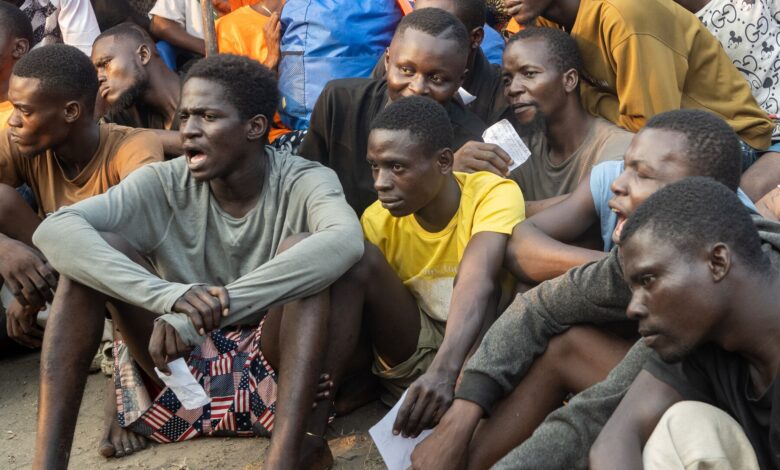
Authorities in the Democratic Republic of the Congo released hundreds of people from Kinshasa’s Makala Central Prison in September 2024 as part of an emergency effort to reduce extreme overcrowding. The action followed a deadly attempted escape in which the government reported at least 129 prisoners killed.
The prison held many times its intended population
Makala was built for about 1,500 people but held more than 12,000, according to human-rights reporting. Most detainees were awaiting trial rather than serving a final sentence.
Overcrowding magnified shortages of beds, sanitation, food, water and medical care.
The September 2 incident produced disputed accounts
Authorities described an attempted jailbreak. The interior minister said 24 people were shot and others died through suffocation or crushing in a stampede, while dozens were injured and women prisoners were reportedly raped.
Rights advocates challenged aspects of the official account and called for an independent investigation.
No single release figure captured the sequence
Justice Minister Constant Mutamba initially announced the release of about 600 prisoners, including roughly 10 minors. Reports around September 22 described more than 700 released as reviews continued.
On September 23, authorities said another 1,685 mostly ill prisoners received conditional release, making later totals much larger than the early headline.
Ill prisoners received priority
Some people required immediate medical attention, while buses transported others home. Releasing eligible sick, minor and low-risk detainees can reduce urgent harm when lawful review confirms that continued detention is unnecessary.
Medical vulnerability should be assessed consistently rather than through political favour.
Pretrial detention drove the crisis
Slow investigations, limited courts, missing files and inability to obtain legal representation can leave people detained for periods longer than a possible sentence. Regular case review is therefore as important as building more cells.
Detention before trial must remain exceptional and subject to judicial control.
Minors required separate protection
Officials said hundreds of minors were held at Makala, sometimes in conditions comparable to adults. International standards require detention of children only as a last resort, for the shortest appropriate period and with education, family contact and safeguarding.
The minister ordered further review of their cases after the first release.
A new prison would not solve every failure
The government discussed constructing another facility in Kinshasa. Additional safe capacity may help, but corruption, delayed trials, excessive remand and inadequate health care can reproduce overcrowding in any new building.
Transparent occupancy and case-duration data would show whether reform is working.
The deaths demanded accountability
Investigators needed to establish why panic began, who authorized live fire, whether exits were blocked and how sexual violence occurred. Survivors and families required protection, information and a means to seek remedy.
The releases were a necessary response to an intolerable population, not proof that the system had been repaired. Sustainable reform required lawful case review, functioning courts, independent monitoring and conditions compatible with human dignity. The early “more than 700” figure was one stage in a larger process that eventually freed many more people.
Regular public inspections would help ensure those reforms endured after attention faded.