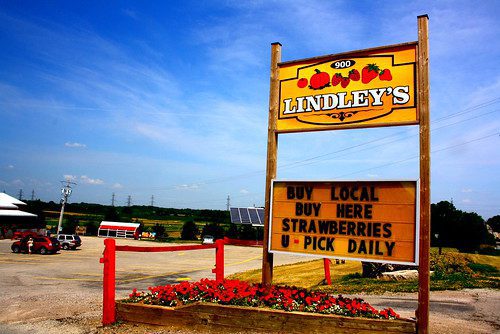
Lindley’s Farm and Market near Hamilton closed its retail operation on November 3, 2024 after about 180 years and eight generations of family farming. The Ancaster business, known for strawberries, pumpkins and farm-grown produce, planned one more pick-your-own strawberry season in 2025 and said the farmland would be leased for the foreseeable future.
From an immigrant family to an Ancaster market
The Lindley family traced its Ontario agricultural history to James and Mary Lindley, who arrived from England in 1842. Later generations continued growing fruit and vegetables. Peter and Joan Lindley moved the operation to Ancaster, and the family opened Lindley’s Farm and Market in 1980.
Its closure announcement thanked employees, customers and friends and described both hard and satisfying periods working the land. The owners declined an interview request at the time, so reporting should not assign a single financial or family reason beyond what they publicly stated.
A closure does not necessarily end farming on the land
The market’s permanent shutdown ended the familiar consumer-facing business, but leasing the acreage could keep it in agricultural production. Farm ownership, operation and direct retail are separate. A family may stop running a shop while another producer uses the soil.
That distinction matters when measuring farmland loss. A closed roadside market affects jobs, local food access and community identity even if the parcel is not immediately converted to housing or industry.
The succession challenge
Ontario Federation of Agriculture vice-president Sarah Wood said the province was seeing a changing farm landscape. Some long-standing operations lack a successor willing or able to take over. Transferring a farm requires not only interest but capital, management knowledge, tax planning and a workable income for both retiring and incoming generations.
High land values can make a property valuable on paper while leaving the operating business short of cash. Equipment, fuel, labour, insurance and inputs add pressure, while weather and perishable inventory make revenue uncertain.
Why farms diversify
Wood said more farms were developing direct-to-consumer and market activities to spread risk. Pick-your-own crops, shops and events can retain more of the retail price and build customer loyalty. They also add staffing, food-safety, marketing and visitor-management work to production.
Taxes, trade conditions and shifting consumer habits affect those choices. The closure of other orchards around Hamilton suggested a regional issue, but a few examples cannot quantify the province-wide trend. Agricultural census and land-use data are needed to distinguish retirement, consolidation, temporary closure and permanent conversion.
What communities can do
Succession services can connect retiring owners with family or non-family entrants and help with financing and tax transitions. Municipal planning can protect viable agricultural areas from fragmented development, while procurement and local markets can provide dependable demand.
No policy can require a family to continue indefinitely. The goal is to ensure that a workable next generation has a real option and that valuable farmland is not lost merely because transfer is too complicated.
Lindley’s closure marked the end of a remarkable family-run market and prompted legitimate concern about succession in Ontario agriculture. Its history should be remembered accurately: the retail operation closed, a final strawberry season was planned, and the land was to be leased. The broader generational shift deserves data and practical transition support rather than a romantic assumption that heritage alone can pay a farm’s bills.