
Federal Reserve Raises Rates Again as Inflation and Energy Risks Persist

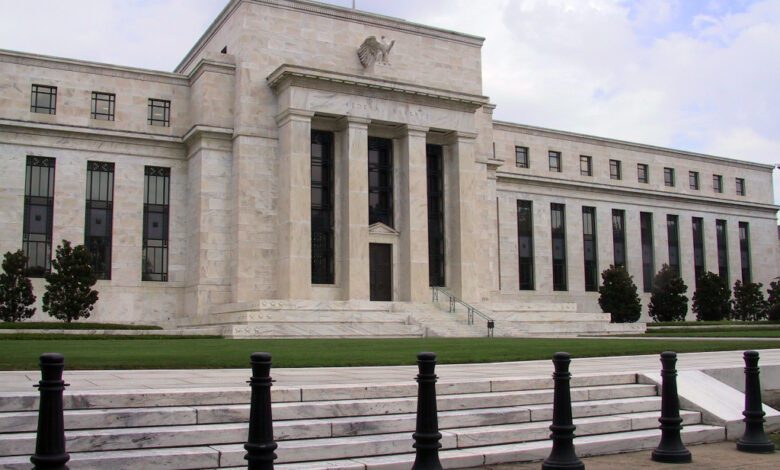
The U.S. Federal Reserve raised its benchmark interest rate on Wednesday, the first increase since 2023, as policymakers responded to stubborn inflation and higher energy costs linked to geopolitical turmoil. The decision defied President Donald Trump’s demands for lower borrowing costs and signaled that the central bank is prioritising price stability even as higher rates make credit more expensive for households, companies and governments.
The Associated Press reported that Fed officials left open the possibility of another increase later this year. That does not mean another hike is guaranteed. Monetary policy is set meeting by meeting, and officials will examine inflation, employment, consumer spending, financial conditions and the effects of energy markets before deciding what to do next.
Why rates are moving higher
Central banks raise interest rates to slow demand when prices are rising too quickly. Higher borrowing costs can reduce spending on homes, vehicles and business investment, which can ease pressure on supply. The trade-off is that the same policy can weaken growth and increase the cost of servicing debt. Policymakers therefore try to prevent inflation from becoming entrenched without creating an unnecessary recession.
This decision comes during an unusual combination of risks. Energy disruptions connected to the Middle East have raised concerns about fuel and transport costs, while global supply chains remain sensitive to conflict and trade restrictions. If households and companies expect those costs to keep rising, inflation can spread beyond energy into wages, services and goods. The Fed’s message is that expectations must remain anchored.
What the decision means for households
Existing fixed-rate mortgages do not automatically change when the Fed moves its policy rate. Variable-rate loans, credit cards and new borrowing can become more expensive, often with a delay. Savers may receive better returns on deposits and short-term instruments, although the effect depends on banks and financial markets. Families facing high debt costs may feel the decision before inflation data show improvement.
Businesses also face competing effects. A higher rate can reduce demand for new equipment, property and expansion, but it can also reinforce confidence that inflation will not erode long-term planning. Companies with substantial floating-rate debt are more exposed than firms with locked-in financing. Small businesses and households without access to cheap credit may feel the greatest pressure.
Independence and political pressure
Trump has repeatedly called for lower rates, arguing that cheaper borrowing would support growth and reduce government financing costs. The Fed is legally designed to make monetary decisions independently of day-to-day political demands. Independence does not mean the central bank is free from public accountability; it means rate decisions should be based on the economic mandate and evidence rather than electoral preference.
Markets will watch whether political pressure affects expectations about future policy. If investors believe rates will be cut for political reasons, long-term borrowing costs may not fall and the dollar could weaken. Clear communication from Fed officials is therefore important, especially when the policy path is uncertain.
What to watch next
The next data releases will be critical. Inflation readings will show whether price increases are broad or concentrated in energy and other volatile categories. Labour-market figures will indicate whether higher rates are cooling demand too sharply. Officials will also monitor credit stress, commercial property and the effects of global energy disruption on American households.
The safest interpretation is limited: the Fed has tightened policy after a long pause because it sees inflation risks as persistent, and it has signaled that another increase remains possible. The decision does not guarantee lower prices immediately, and it does not settle the political argument over the central bank’s direction. It begins another period in which evidence, not slogans, will determine the next move.
For consumers, the effects will arrive unevenly. A borrower refinancing a home or carrying a credit-card balance may notice the change quickly, while a household with a fixed-rate mortgage may feel it mainly through prices, jobs or investment decisions. Renters can be affected indirectly if landlords face higher financing costs. Policymakers will therefore watch distributional effects as well as the headline inflation rate.
International markets matter too. A higher U.S. rate can attract capital toward dollar assets, influence exchange rates and raise financing costs for emerging economies with dollar-denominated debt. Other central banks must weigh those effects when setting their own policy. The Fed’s decision is domestic, but its consequences travel through global borrowing and trade.
Sources
- Associated Press: Federal Reserve rate decision and inflation risks
- Federal Reserve: Monetary policy information




