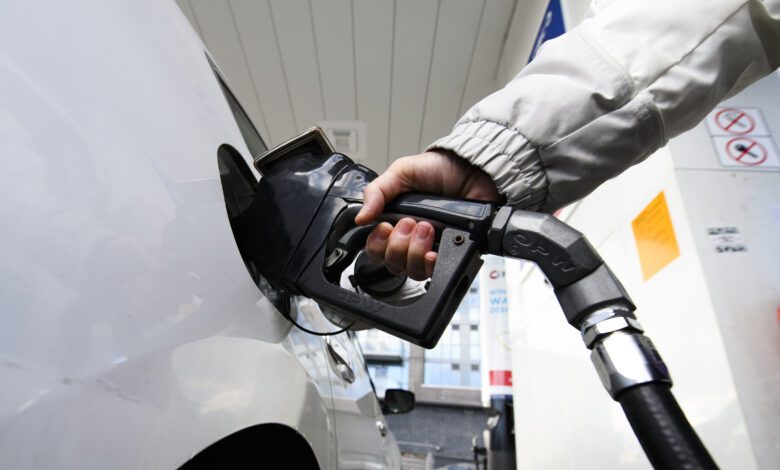
Eligible Canadians received a quarterly Canada Carbon Rebate on October 15, 2024, with a larger supplement for households in rural and smaller communities. The payment also marked the first cycle in which the federal government expected every bank to use the clearer “Canada Carbon Rebate” description.
Who received the payment
The federal rebate applied to eligible tax filers living in Alberta, Saskatchewan, Manitoba, Ontario, New Brunswick, Nova Scotia, Prince Edward Island and Newfoundland and Labrador. One payment was calculated for a household, with the amount depending on province, the number of adults and the number of children.
Residents did not submit fuel receipts. Filing an income-tax return allowed the Canada Revenue Agency to determine eligibility and family composition, even when a person had little or no income to report.
Why rural payments were larger
The rural supplement increased from 10 to 20 per cent of the base rebate from April 2024. Ottawa said the increase recognized higher energy needs, longer travel distances and fewer practical alternatives to driving in rural areas.
The October payment included the 20-per-cent supplement for that quarter and retroactive amounts representing the additional 10 percentage points not paid in April and July. It was therefore unusually large for an eligible rural household.
The geographic rule
In most participating provinces, the supplement applied when a household’s primary residence was outside a census metropolitan area defined by Statistics Canada. All Prince Edward Island recipients were treated as eligible for the rural component and had it included in the base amount.
A postal address that looks rural was not by itself conclusive. Taxpayers needed to use the CRA eligibility rules and keep their residence information current rather than rely on an informal map or social-media claim.
Amounts varied by province
Fuel-charge proceeds stayed within the province where collected, so amounts varied. The tax-free rebate reflected family size rather than reimbursing a household’s exact direct and indirect fuel costs.
Why the bank label mattered
After quarterly payments began, statements sometimes displayed vague descriptions such as a federal payment or electronic-funds transfer. Recipients could overlook the deposit or mistake it for another benefit.
The consistent Canada Carbon Rebate label made the programme easier to identify, although a bank’s character limit had complicated earlier efforts. A statement label still did not change eligibility or the amount.
The policy debate
Supporters argued that charging for pollution while returning revenue preserved an incentive to use less fuel: two similar households could receive the same rebate while the lower-consuming one paid less charge. Critics focused on the visible cost of fuel and broader economic effects.
The Parliamentary Budget Officer distinguished direct household payments from economy-wide effects such as investment and wages. Claims that “most families are ahead” or “everyone loses” can differ depending on which effects and time period are being measured.
Provinces with different systems
British Columbia and Quebec operated their own consumer carbon-pricing systems, so residents did not receive this federal payment. Yukon and Nunavut used federal pricing but had arrangements to return proceeds through territorial mechanisms.
The absence of a federal deposit in those jurisdictions did not mean no carbon-pricing policy existed. It meant the collection and return structure was different.
The programme later ended
Federal regulations set the consumer fuel charge to zero on April 1, 2025 and removed the requirement for provinces and territories to maintain a consumer-facing carbon price. Eligible residents of former federal fuel-charge provinces received a final Canada Carbon Rebate beginning in April 2025.
Industrial carbon-pricing systems continued. The October 2024 payment should therefore be read as part of a programme that was active then, not as notice of a recurring benefit today. Anyone reviewing an old deposit or filing a late return should rely on current CRA instructions and beware of messages seeking banking details or payment to “release” a rebate.