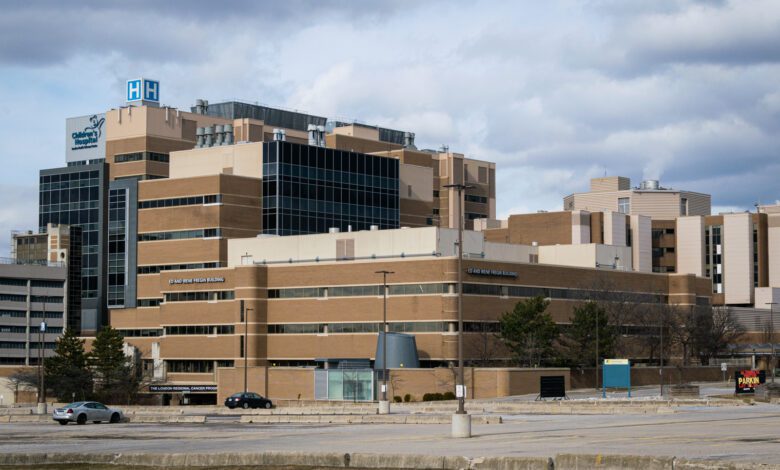
The entire board of London Health Sciences Centre resigned in September 2024 after Ontario appointed David Musyj as supervisor of the financially troubled hospital organization. The departures followed months of scrutiny over leadership turnover, spending decisions and a projected operating deficit.
A provincial supervisor assumed control
Ontario can appoint a hospital supervisor when it concludes extraordinary intervention is required. A supervisor may exercise powers normally held by the board and is expected to stabilize governance and operations.
Musyj had been serving as interim chief executive before the appointment, giving him familiarity with the organization as authority became more centralized.
The board described its resignation as voluntary
LHSC said directors stepped down to allow the organization to move forward under the supervisor. That official description did not erase public questions about why the full board left at once.
Mass resignation is a governance event that requires transparent records, even when it is presented as supporting a transition.
Financial deterioration drove concern
Former director and legacy donor Ronald Breen said LHSC had moved from more than C$200 million in working capital years earlier toward a projected C$150 million operating deficit for 2025. He withdrew a planned C$1 million legacy pledge unless governance changed.
Those figures were part of his criticism and needed confirmation through audited statements and formal budgets.
Executive decisions had attracted scrutiny
Leadership departures, restructuring and travel or consulting expenses contributed to concern about priorities. Earlier executive changes also produced litigation, meaning allegations had to remain attributed rather than reported as settled wrongdoing.
Cost-cutting at a hospital must distinguish administrative duplication from roles essential to clinical safety and compliance.
Patients needed continuity during the upheaval
Board changes do not pause emergency care, surgery, cancer treatment or staffing needs. Frontline teams required clear authority, functioning procurement and assurance that financial recovery would not create unsafe delays.
Public communication should explain operational consequences without exposing confidential patient or employment information.
Governance and management are different
A hospital board sets oversight, approves strategy and holds senior executives accountable; it does not run every clinical department. Weak oversight can nevertheless allow risks to accumulate or prevent corrective questions from reaching decision-makers.
A supervisor should rebuild those checks rather than make emergency concentration of power permanent.
Recovery required measurable targets
A credible plan needed audited deficit forecasts, staffing and procurement controls, service indicators and deadlines for reporting progress. Financial balance alone would be inadequate if achieved through hidden wait lists or depleted clinical capacity.
Independent review and public board minutes could help restore donor, staff and community trust.
The resignations were a beginning, not a repair
Replacing directors can remove a governance impasse, but it does not automatically resolve contracts, workforce pressure or structural funding gaps. Ontario and LHSC still had to explain causes and assign responsibilities fairly.
The public-interest test was whether supervision produced sustainable finances and safer, timely care. Future appointments also needed relevant expertise, conflict safeguards and a clear path back to accountable community governance.
Staff and patients also deserved regular, accessible progress reports during that transition.