EPA Finalizes Partial Repeal of 2024 Power-Plant Carbon Standards; Broader Rollback Remains a Proposal

The US Environmental Protection Agency on September 14 signed a final rule repealing most of the greenhouse-gas provisions in the agency’s 2024 Carbon Pollution Standards for fossil-fuel-fired power plants. At the same time, the agency issued a separate supplemental proposal that asks for public comment on rescinding the remaining greenhouse-gas standards for those plants.
The distinction is important. EPA’s signed final rule is an agency action that is being submitted for publication in the Federal Register; the wider rollback is still a proposal. Treating the two as one completed action would overstate what has happened. The official published version in the Federal Register, the effective-date language and any resulting litigation will determine the next legal steps.
What the final action repeals
According to the EPA’s final-rule preamble, the agency is repealing three main parts of the 2024 standards. They are the emission guidelines for existing fossil-fuel-fired steam generating units; carbon-capture-and-storage-based standards for coal-fired steam generating units that undertake a large modification; and carbon-capture-and-storage-based standards for new baseload stationary combustion turbines, described in the rule as Phase 2 standards.
The scope of this action is greenhouse-gas regulation for the covered power units. It should not be described as a repeal of every environmental rule affecting power plants. Separate rules can address pollutants such as mercury, sulfur dioxide, nitrogen oxides, water discharges, coal ash and other subjects under different statutory provisions. This particular action concerns the carbon-pollution standards and guidelines specified in the notice.
EPA says it is reconsidering the “best system of emission reduction,” the legal standard it uses when setting these requirements. The agency’s technical fact sheet says it concluded that 90% carbon capture and storage was not adequately demonstrated as the best system of emission reduction for the relevant coal-fired units, citing questions about cost and the availability of infrastructure at the required scale and pace. The agency also says it determined that 40% natural-gas co-firing was not the appropriate standard for existing coal units.
What remains a proposal
EPA is separately seeking comment on rescinding the remaining greenhouse-gas requirements for fossil-fuel-fired generating units under Clean Air Act section 111. That is not a final repeal. It is a supplemental proposal, meaning the agency is putting additional reasoning and options before the public before a final decision is made. Businesses, states, workers, communities and advocacy groups can assess the proposal through the formal process once the applicable materials and comment details are published.
That procedural difference matters for readers, investors and affected communities. A company planning a project, a state designing an energy programme or a resident following local power-plant policy should not assume that every remaining greenhouse-gas requirement has already disappeared. The final rule and the proposal must be read separately, and the official Federal Register texts will be the controlling documents for compliance.
How this differs from the 2024 rule
The 2024 EPA standards had set a suite of requirements and guidelines intended to limit carbon pollution from existing coal-fired and new natural-gas-fired power plants through technologies that the prior administration characterised as proven and cost-effective. The September 2026 action reflects a new agency assessment of what can lawfully and practically serve as the best system of emission reduction for the affected subcategories.
That change does not settle the underlying policy debate. Supporters of the repeal argue that rules based on carbon capture or major fuel changes can impose costly obligations, strain infrastructure and threaten reliable power supply. Opponents are likely to argue that weakening carbon rules delays emissions reductions and creates additional climate risks. Those are policy positions, not outcomes that can be assumed from the rule alone. The direct legal question in the final action is the agency’s stated reassessment of the technologies and standards it considers adequately demonstrated.
EPA estimates that the final repeal could save Americans and the power sector up to $310 billion. That is an agency estimate, not an independently verified prediction of any individual household’s electricity bill. Its final effect will depend on a range of factors, including power demand, fuel prices, state policy, utility planning, legal challenges, technology costs and the final treatment of the separate proposal.
Why it matters beyond the regulatory filing
Power-plant rules influence decisions that can take years: whether utilities keep a unit operating, invest in pollution-control equipment, sign fuel contracts, build transmission or develop replacement generation. They also matter to communities near plants, which may be interested in both the reliability and cost of power and the health and environmental effects of generation. A federal rule alone does not decide every one of those questions, because state regulators, grid operators, courts and companies all have their own roles.
The change also illustrates why broad claims about “all power-plant rules” are often misleading. The US power sector is regulated through overlapping federal, state and local requirements. A repeal of a particular greenhouse-gas standard does not automatically change a separate permit, a state clean-energy target, a utility’s existing contract or another environmental obligation.
For readers outside the United States, the decision is relevant because the scale and regulation of fossil-fuel generation affect global energy markets, technology investment and climate diplomacy. But it would be premature to claim a fixed global market or emissions outcome from one regulatory action. Such effects depend on follow-through by utilities, other governments, investors and courts.
What to watch next
The practical next steps are clear. Watch for the official Federal Register publication of the final rule, the public-comment process on the supplemental proposal, any court challenges and subsequent utility or state decisions. Those developments—not an early headline alone—will show how broadly the September action changes the power-plant regulatory landscape.
Sources
- EPA: final-rule preamble for partial repeal of carbon-pollution standards
- EPA: general fact sheet on the final action and supplemental proposal
- EPA: background on the 2024 power-plant greenhouse-gas standards
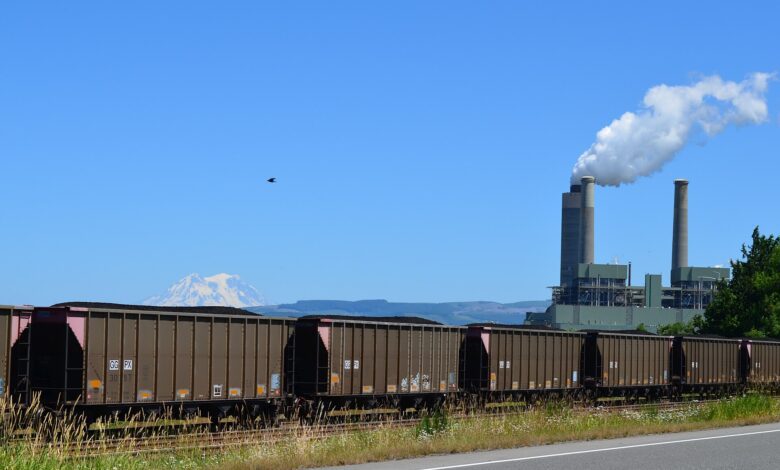
Featured image: Centralia Washington – Big Hanaford Power Station, Hatchetman86, CC0 via Wikimedia Commons. Archive photograph of a coal-fired plant in Washington state; it is illustrative and not a facility identified in EPA’s September 2026 action.