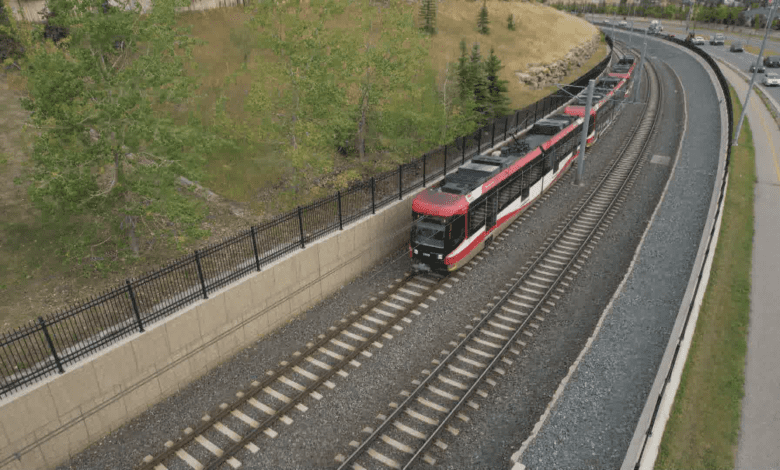
Calgary considered amendments to its transit bylaw in September 2024 to address loitering, non-destination use, fare abuse and verbal harassment. The proposal aimed to give peace officers clearer tools while raising questions about homelessness, disability and fair enforcement.
Transit is intended for travel
The proposed rules would allow action when a fare-paying person remained on vehicles or property without an intended destination. Officials said existing language did not clearly address repeated riding unrelated to transportation.
Determining intent can be difficult from appearance or length of trip alone.
Harassment would become a defined offence
Verbal threats and intimidation aimed at operators, staff or passengers could attract enforcement. Workers and riders deserve protection from conduct that creates a reasonable fear of harm.
Rules should distinguish threats from criticism, unusual speech or protected expression.
Youth age checks were included
Children 12 and under could travel free, and officers sought authority to request proof of age. Many children lack government identification.
Flexible evidence and a warning-first approach could avoid penalizing families over minor uncertainty.
Weapons provisions were strengthened
Possession of a weapon on transit could be addressed directly under the bylaw in addition to criminal law where applicable. Clear definitions and emergency exceptions were necessary.
Serious weapon incidents still require police and appropriate evidentiary safeguards.
Safety concerns were genuine
Operators and riders had reported disorder, violence and fear in stations and vehicles. A transit system people avoid because it feels unsafe cannot perform its public function.
Consistent response to behaviour can improve confidence.
Loitering rules risk discriminatory effects
People experiencing homelessness may use stations for warmth because adequate shelter is unavailable. Mental illness, cognitive disability or unfamiliarity can also look like purposeless movement.
Enforcement based on status rather than conduct could displace vulnerability without improving safety.
Service alternatives must accompany removal
Outreach teams, warming spaces, shelters, treatment and supportive housing provide somewhere safer to go. Peace officers should have current referral options instead of issuing fines that people cannot pay.
Social support does not prevent officers from responding to actual threats.
Training and records enable oversight
Officers need instruction on disability, Indigenous relations, de-escalation and objective indicators of an offence. The city can publish stops, warnings, removals and demographic impact while protecting privacy.
Complaint and appeal processes should be accessible.
Success should mean safer trips
Ticket totals are a poor primary measure. Calgary should monitor assaults, operator reports, rider perceptions, repeat incidents and connections to services.
The amendments could address harmful behaviour if narrowly and consistently applied. They would become counterproductive if “loitering” served as a vague label for poverty or difference. Council needed enforceable definitions, practical safeguards and investment beyond transit so officers were not asked to solve a housing and health crisis with bylaw tickets.
A scheduled review could compare results before and after implementation and withdraw powers that caused unequal harm without measurable safety gains. Operators and riders should be involved in that review, alongside outreach workers and people with lived experience of homelessness.
Published findings would support informed council oversight.