
4 Climbers Are Found Dead on Mont Blanc in the French Alps
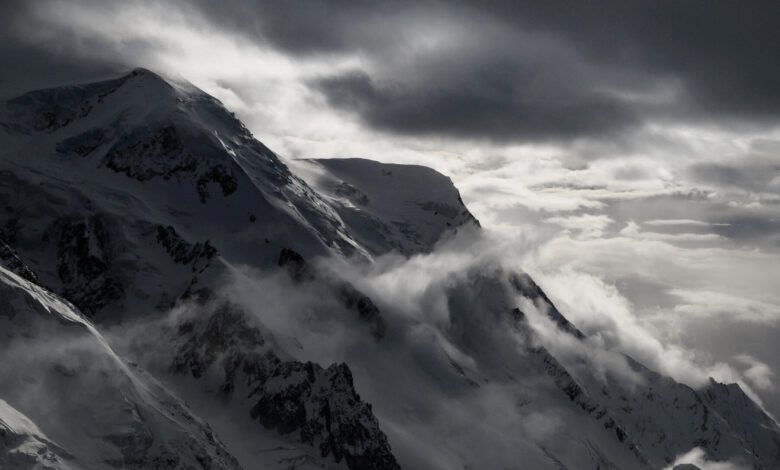
Rescuers recovered the bodies of two Italian and two South Korean climbers near the summit of Mont Blanc on September 10, 2024. The two pairs had been stranded for about three days after severe weather blocked repeated rescue attempts.
The climbers disappeared during a storm
They were reported missing on Saturday as wind, snow and poor visibility enveloped the mountain. Other climbers were rescued, including two South Koreans found at roughly 4,100 metres.
Conditions near the summit prevented helicopters from safely reaching everyone.
The groups were separate
One pair consisted of Italian climbers, while the other consisted of South Korean companions. Search teams found them at different locations high on the mountain.
Reporting them together should not imply they travelled as one expedition.
Rescuers briefly contacted the Italians
Mountain police were reportedly able to locate and speak by telephone with the Italian pair near the north face before communication stopped. A phone contact can narrow a search but does not make an immediate rescue physically possible.
Battery, exposure and signal conditions deteriorate rapidly at altitude.
Exhaustion and exposure were cited
Authorities said the climbers appeared to have died after prolonged exposure in extreme conditions. Hypothermia impairs judgment and movement before a person recognizes the severity.
Only official examinations can determine individual medical causes.
Mont Blanc is accessible but hazardous
Its popularity and established routes can create an impression that the ascent is routine. At more than 4,800 metres, altitude, crevasses, rockfall and rapidly changing weather create serious objective danger.
Experience reduces risk but cannot control the mountain.
Forecasts require conservative decisions
Climbers need route-specific weather, turnaround times and margins for slower travel. A forecast window can close earlier than expected, especially when wind makes helicopter evacuation impossible.
Reaching the summit is optional; returning safely is essential.
Emergency equipment buys time
Insulation, bivouac protection, navigation, charged communications and a locator beacon can improve survival and search accuracy. Equipment is not a guarantee when cold and storm exposure lasts several nights.
Partners should share route and return plans with someone below.
Rescue crews also face limits
Pilots and mountain gendarmes must balance the chance of reaching victims against the risk of adding casualties. A delayed mission can reflect weather constraints rather than unwillingness.
Ground access near the summit may be too slow during a critical window.
The tragedy offered a sober safety lesson
The deaths were not evidence of recklessness without more information. They showed how a storm can overwhelm separate, international teams on a familiar peak.
Responsible coverage honours the climbers without publishing speculative blame. It also emphasizes practical preparation: professional advice, conservative forecasts, early retreat, layered emergency communication and acceptance that rescue may be impossible exactly when it is most needed.
Authorities can later share anonymized lessons about route, forecast and rescue conditions without intruding on grieving families. Those findings may help guides and independent climbers refine turnaround rules. The proper immediate response remained identification, family notification and respect for the rescuers who returned in dangerous conditions.
That work deserves recognition.



