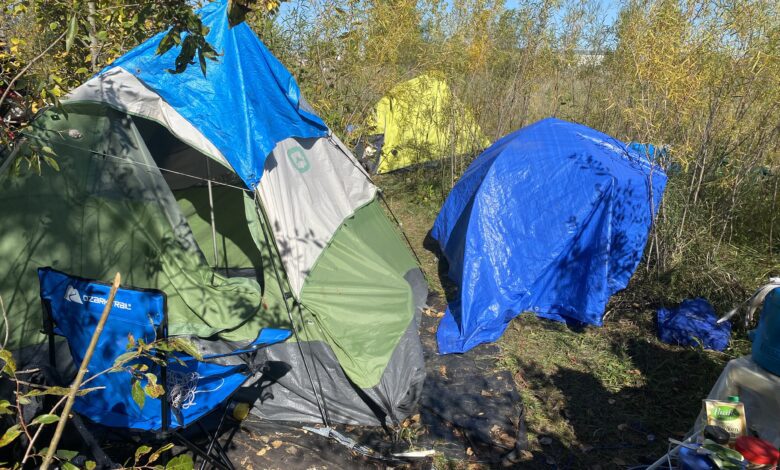
Visible encampments in Steinbach in 2024 showed that housing insecurity was not confined to Winnipeg. Outreach workers estimated about 30 people living outside, another 30 couch-surfing and at least 100 at risk, while Brandon, Dauphin and other Manitoba communities also reported growing need.
Visibility had changed even where totals were uncertain
Steinbach Community Outreach said some people lost informal places to stay and moved into tents, making a long-standing problem easier to see. Hidden homelessness includes vehicles, overcrowded rooms and temporary stays with friends.
An encampment count therefore captures only one part of insecurity.
Most people had local connections
Advocate Al Wiebe said nearly all the people living rough in the Steinbach camps came from the community. That contradicted assumptions that homelessness had simply been imported from Winnipeg.
People often remain near family, familiar services and social networks even when housing disappears.
Costs and job loss were major pressures
Rent, food and other essentials rose while low-cost vacancies were scarce. A job interruption, eviction or relationship breakdown can push someone with no savings from precarious housing into homelessness.
Mental illness and substance use may contribute in some cases, but they are neither universal explanations nor substitutes for an affordable home.
Rural services were thin
Residents seeking addiction or mental-health treatment often had to travel to Winnipeg or another centre. Transportation, wait lists and fear of becoming homeless in an unfamiliar city made that route unrealistic for some.
Mobile and regional services can reduce distance, but long-term care needs stable local staff and funding.
Winter transformed urgency into danger
Manitoba cold creates risks of frostbite, hypothermia, fire and carbon-monoxide poisoning. Temporary warming space saves lives but does not provide secure sleep, medication storage or recovery.
Municipal plans must be ready before extreme weather, with transport and accessible options.
Local government sought models
Steinbach Mayor Earl Funk asked administration to study approaches in other communities. Officials planned discussions with Thompson representatives who had examined homelessness responses in Houston.
Importing a model requires care: housing supply, law, climate and health systems differ, and headline success may depend on resources not locally available.
Housing with support is the durable response
Outreach can build trust and connect identification, income and health care, but workers cannot place people in units that do not exist. Deeply affordable and supportive homes are essential.
Provincial and federal funding matters because smaller municipal tax bases cannot finance the full continuum alone.
Policy should preserve individual dignity
One resident, identified only as Clayton, described a life that included stable work before years of repeated moves. His experience warned against reducing homelessness to personal failure.
Communities can address sanitation and public safety without seizing belongings or repeatedly displacing people to less visible ground. The problem resembled Winnipeg because the structural pressures were shared; the response still had to fit each Manitoba community.
Progress would be visible when fewer people entered homelessness, shelter stays shortened and residents could retain stable tenancies after support ended.
Those measures would also show whether public spending was preventing repeated emergencies instead of merely shifting them between agencies and locations.