Canada’s real gross domestic product increased 0.2 percent in July 2024, but Statistics Canada’s preliminary estimate suggested output was essentially unchanged in August. The figures pointed to weak momentum at the end of summer even though the economy had not entered a broad monthly contraction.
July growth exceeded the early estimate
Services and goods-producing industries together lifted output in July. Retail trade rebounded and public-sector activity contributed, while mining, quarrying and oil and gas activity also advanced.
Monthly GDP measures production by industry and is adjusted for seasonal patterns. It is different from quarterly expenditure GDP and from the total value of sales.
Wildfires disrupted specific industries
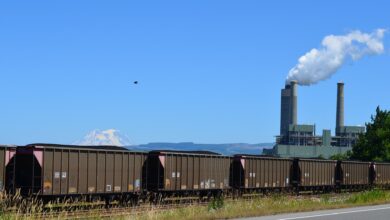
Fires in western Canada affected tourism and transport. Accommodation services declined as travellers avoided affected destinations, and transportation and warehousing contracted for a second consecutive month.
A disaster can reduce recorded output through closures and travel disruption while simultaneously creating emergency and rebuilding expenditure. GDP is therefore not a measure of wellbeing or environmental loss.
August was initially an advance estimate
Statistics Canada used information available before the full monthly release to estimate that August was flat. Advance estimates help markets and policymakers but are explicitly subject to revision.
The later release confirmed that real GDP was essentially unchanged and revised July growth to 0.1 percent. Reporting the original 0.2 percent without the later revision would leave a stale impression of strength.
Population growth changed the household picture
Total output can rise while GDP per person falls if the population grows faster. Canada experienced rapid population growth, so aggregate stability did not necessarily mean the typical resident enjoyed more economic output or income.
Per-capita GDP is still not a household bank statement. Distribution, wages, inflation, housing costs and hours worked determine how growth is experienced.
Interest rates were restraining demand
The Bank of Canada had begun lowering its policy rate in June 2024 after inflation eased, but earlier increases continued to affect mortgages, construction and business borrowing.
Weak growth strengthened the case for additional cuts, while the central bank still had to guard against renewed inflation. One monthly GDP estimate could inform that balance but could not decide it alone.
Sector detail showed an uneven economy
Some industries expanded even as transport and accommodation weakened. A national flat reading can hide strong demand in one sector and acute recession-like conditions in another.
Wildfire-related declines may reverse when conditions normalize. Structural weakness in productivity or investment requires a different response from a temporary closure.
Quarterly growth remained modest
The combination of a small July gain and flat August placed the third quarter on a subdued path. Later data showed annualized growth of about one percent for the quarter, below the prior quarter’s pace.
That was slow expansion rather than the two consecutive quarterly declines often used as a shorthand recession test. Labour-market weakness and per-capita outcomes could still make conditions feel recessionary.
“Stalled” described momentum, not collapse
The September report showed that summer output was losing speed and that weather disasters added sector-specific damage. It did not show that every industry or household was shrinking.
The most accurate conclusion combined revisions and scale: July’s slight increase was smaller than first reported, August was flat, and population-adjusted and sector data were weaker than the aggregate total alone suggested.