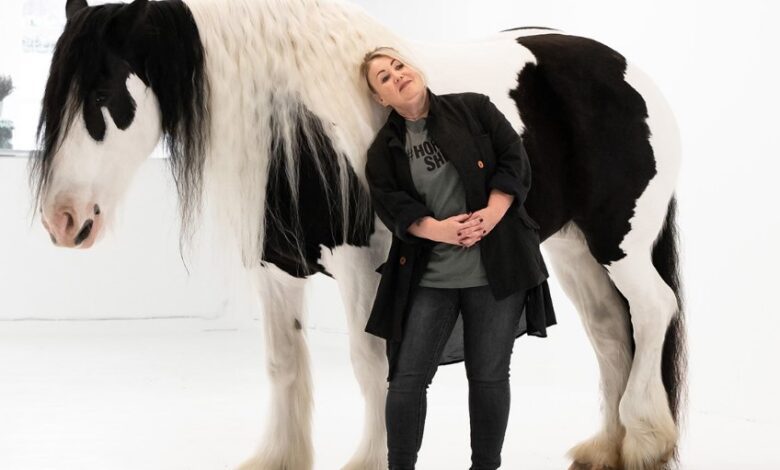
Canadian singer-songwriter Jann Arden intensified her campaign in 2024 to end the export of live horses by air for slaughter. Her advocacy supported Bill C-355, a narrowly drafted proposal that passed the House of Commons but later died before completing the Senate process.
The trade sent horses on long flights
Large draft horses were transported from Canadian airports, principally to Japan, where they were fattened and slaughtered for meat. Animals were loaded into wooden transport crates and moved through ground handling and international flights.
Opponents argued that crowding, delays, noise, temperature and long periods without ordinary access to food, water or rest caused avoidable suffering.
Arden made the issue more visible
Arden used interviews, public appearances and her audience to press federal lawmakers. She described the practice as inconsistent with Canadian values and encouraged supporters to contact senators.
Celebrity advocacy can draw attention that technical animal-welfare debates rarely receive. The underlying case still has to rest on transport records, veterinary evidence and enforceable law rather than a famous name.
Bill C-355 targeted export by air for slaughter
The private member’s bill would have required an exporter to attest that a horse was not being sent for slaughter or fattening for slaughter. False statements would attract penalties similar to those under animal-health law.
It did not ban horses travelling for sport or breeding, domestic horse slaughter or the export of horse meat. Keeping that scope clear prevents a limited proposal from being portrayed as a ban on the broader horse industry.
The House approved the proposal
The bill passed its House of Commons stages in May 2024 after committee amendments. Those changes removed proposed paperwork duties for pilots and border officers and gave the agriculture minister flexibility over documents.
It then reached the Senate, where debate continued but second reading was not completed before the parliamentary session ended in January 2025. As a result, the bill did not become law.
Industry participants disputed welfare claims
Exporters said they followed Canadian Food Inspection Agency rules, used suitable crates and had an economic interest in animals arriving safely. They warned that campaign materials could misrepresent compliance and harm legitimate agriculture.
Opponents pointed to reported injuries, deaths and journeys they said exceeded practical welfare limits when ground time and transfers were counted. Both compliance rates and total travel time required transparent, shipment-level evidence.
The cross-border business raised policy questions
Advocates highlighted the role of commercial operations with connections to the United States, where domestic horse-slaughter plants had ceased operating. Corporate nationality, however, did not decide whether Canadian exports were lawful or humane.
The relevant questions were Canada’s own standards, enforcement and democratic choice. A business meeting current rules can still be affected if Parliament decides the underlying activity should end.
Animal-welfare values can coexist with precise debate
Horses occupy roles as livestock, working animals, competitors and companions, producing different cultural views about slaughter. Calling one position un-Canadian risks implying that opponents are outside the national community.
Arden’s phrase communicated moral urgency, but legislation still required clear definitions, evidence and transition time for people raising animals under existing rules.
The campaign did not end with the failed bill
Bill C-355’s expiration meant live exports were not prohibited by that legislation. Advocates could seek a new bill or regulatory change, while industry remained responsible for complying with transport and welfare requirements.
The 2024 campaign succeeded in making a little-known trade a public issue. Whether Canada ultimately ends it should be decided through documented welfare outcomes and accountable lawmaking, with the proposal’s narrow scope stated honestly.