
Calgary and Alberta officials met in September 2024 to determine whether contracts and completed work from the city’s Green Line light-rail project could be preserved after council voted to wind down the approved plan. The uncertainty placed public money, construction jobs and future transit design at risk.
The province withdrew support for the approved alignment
Alberta had committed about C$1.53 billion but objected to the shortened first phase and its costly downtown tunnel. The province said it wanted a longer, above-ground route reaching farther southeast.
The city argued that alternatives had already been studied and that removing funding from a project under construction made the approved plan financially impossible.
Council voted to begin a wind-down
On September 17, council voted 10-5 to close the phase running from Lynnwood/Millican to Eau Claire. City documents said more than C$1.3 billion had been spent since 2017 and warned that wind-down costs could exceed C$800 million.
Those costs included contractual obligations, demobilization and work that would no longer deliver the intended rail service. Pausing without a decision was also estimated to cost millions each month.
More than 70 contracts were involved
The project had reached roughly 60 percent design and employed close to 1,000 staff, consultants and contractors. Agreements covered construction, design, utilities and 28 low-floor light-rail vehicles.
Some work could benefit a revised line; other contracts were tied to the abandoned alignment. Preserving value required examining each scope and termination clause rather than keeping every agreement unchanged.
The September meeting produced no immediate contract list
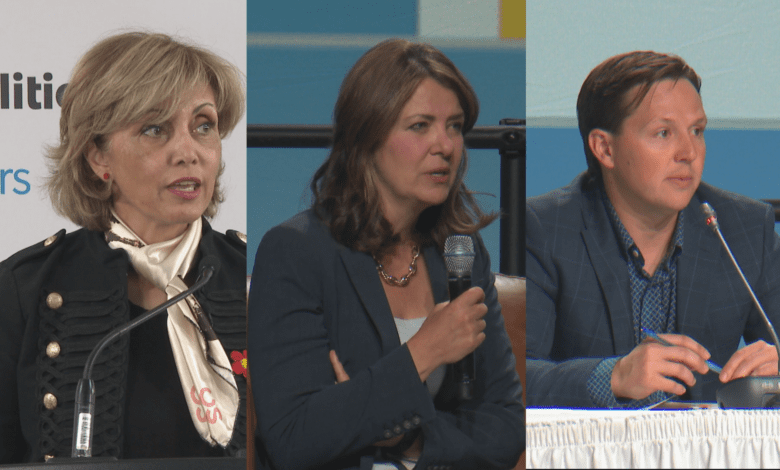
Mayor Jyoti Gondek, Premier Danielle Smith, Transportation Minister Devin Dreeshen and officials described their discussion as productive. They focused on work that could continue while Alberta commissioned a new downtown alignment.
At that stage, however, they had not announced which existing contracts would survive or who would carry the cost and legal risk. A cordial meeting did not resolve the underlying dispute.
An October agreement preserved southeast work
On October 10, the city and province said work between 4th Street S.E. and Shepard would advance. Alberta reaffirmed that its committed funding remained available for that work during the interim period.
The agreement preserved more than 700 jobs and allowed useful construction to continue while engineering firm AECOM developed a revised at-grade or elevated downtown concept.
Governance was as important as alignment
Calgary had designed and procured the project under agreements with provincial and federal partners. Alberta’s late change raised questions about who could alter scope and who should pay resulting liabilities.
A future plan needed transparent cost estimates, ridership forecasts, risk allocation and independent review. Otherwise each government could claim savings while transferring exposure to another taxpayer-funded body.
Transit users faced the cost of delay
The Green Line was intended to connect growing southeast communities with downtown and eventually north Calgary. Delay prolonged bus travel and uncertainty for residents and businesses along the route.
At the same time, committing billions to a design that partners would not fund could have created an unfinished line. The policy choice was not simply construction versus obstruction; it required a buildable network with durable financing.
Contract preservation became a test of value
The original report correctly captured a moment with no final decision. Later cooperation saved part of the work, but it did not reverse the financial and scheduling damage created by the dispute.
The best measure was not how many contracts remained. It was whether retained designs, vehicles and construction fit the eventual line and avoided paying twice. Public disclosure of changes, cancellation costs and responsibilities was necessary to show that “preserving value” had meaning beyond a political phrase.



