Paraguay Loves Mickey, the Cartoon Mouse. Disney Doesn’t.
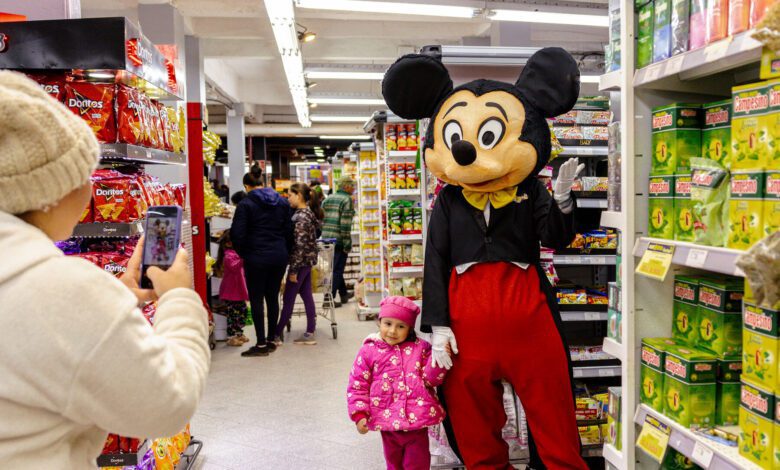
A Paraguayan food company called Mickey has used the famous cartoon mouse as its name and emblem for generations despite a legal challenge by the Walt Disney Company. The unusual result grew from local trademark history: the Asunción business registered its identity early, renewed it for decades and ultimately persuaded Paraguay’s courts that Disney had waited too long to object.
The local company began in 1934
Pascual Blasco founded the business as a fruit and vegetable shop in Asunción. It later operated an ice-cream business and expanded into packaged foods including spices, grains, baking products and snacks.
The name and mouse image became familiar in Paraguay independently of Disney’s local commercial expansion.
Mickey Mouse was already a global character
Disney’s animated mouse debuted in 1928, six years before the Paraguayan company began. The resemblance was therefore not an example of two creators unknowingly inventing similar designs.
Copyright and trademark law nevertheless ask different questions about creative works, brands, markets and consumer confusion.
Registration became decisive
The Paraguayan company registered and repeatedly renewed its mark over many years. When Disney challenged the use in the early 1990s, the local business argued that its rights had been established openly and without earlier opposition.
A registration is territorial; rights in one country do not automatically decide every other jurisdiction.
The dispute reached Paraguay’s Supreme Court
After years of proceedings, the court allowed the local Mickey brand to continue. Contemporary accounts emphasized its longstanding registration and the absence of a timely challenge through numerous renewals.
The judgment did not grant the Paraguayan firm ownership of Disney’s entertainment character worldwide.
Different goods helped frame the conflict
The local company sold food, while Disney was historically associated with films, characters and licensed merchandise. Trademark law usually focuses on designated goods and whether ordinary consumers are likely to believe products share a commercial source.
Modern brand licensing can blur those category boundaries, which is why famous marks receive broad protection in many systems.
Paraguay developed its own Mickey tradition
The company became part of holiday life in Asunción. Its mascot appeared on Avenida Félix Bogado to distribute sweets to children travelling with their families.
For many residents, that annual event evoked a local food brand as well as the global cartoon.
Public-domain headlines can cause confusion
The 1928 Steamboat Willie version of Mickey Mouse entered the United States public domain in 2024, but later designs remain copyrighted and Disney still owns trademarks. The Paraguayan dispute long predated that change and rested on local trademark history.
Public domain does not permit misleading consumers about sponsorship.
A court win is not a general copying licence
New companies could not assume they may adopt famous characters because one legacy business prevailed under specific facts. Filing date, continuous use, product class, consumer perception and national law can produce a different outcome.
Paraguay’s Mickey survived because it had an unusually old and maintained legal identity.
The case shows brands acquire local meanings
Disney reasonably protects a character central to its business, while the Paraguayan company became a multigenerational local institution. Courts had to decide rights, not which cultural attachment was more sincere.
The result was a narrow legal coexistence that looks paradoxical from abroad: a mouse image created in the United States remained the global Disney symbol, while in Paraguay another Mickey could appear on food packages and holiday streets under rights recognized by the country’s own courts.