Sexual Abuse Allegations Against Abbé Pierre Shatter His Legacy
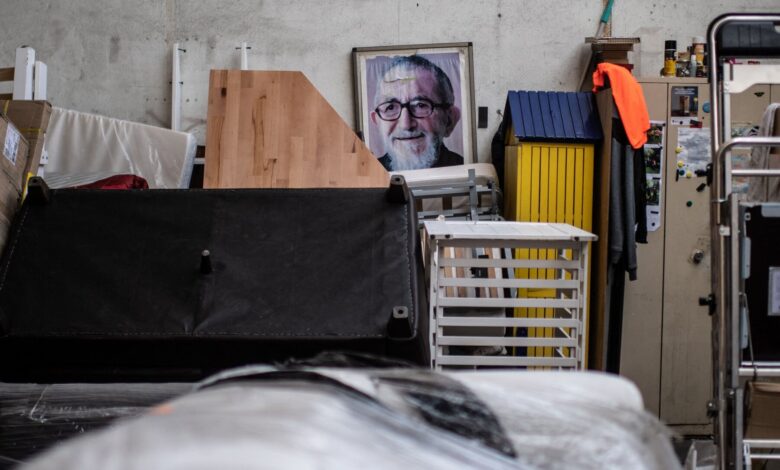
Allegations of sexual assault and harassment against Abbé Pierre, one of France’s most admired religious and charitable figures, transformed public understanding of his legacy in 2024. Testimonies collected by an independent firm described conduct spanning decades, including allegations involving women in vulnerable circumstances and people who were minors at the time.
Abbé Pierre had symbolized solidarity
The Catholic priest, resistance member and former parliamentarian founded the Emmaüs movement in 1949 and became famous for campaigning against homelessness and poverty. His 1954 winter appeal inspired donations and made him a durable moral authority in France.
He died in 2007 at age 94.
An investigation began after a disclosure
Emmaüs International commissioned the specialist group Egaé in February 2024 after receiving an allegation. The organizations said the independent process was intended to collect testimony safely and assess possible sexual violence.
Because Abbé Pierre was dead, he could not face criminal questioning or respond in court.
The first report included seven women
Published in July, it described alleged sexual assault or harassment from the late 1970s to 2005. Some witnesses had worked or volunteered within organizations linked to Emmaüs; one was a minor when the alleged conduct began.
The movement publicly said it believed and supported the women.
A reporting channel brought further accounts
After the initial disclosure, Egaé received many additional testimonies. A September summary presented 17 new accounts, bringing the publicly described total at that stage to 24.
The reported period expanded back to the 1950s and included events in several countries.
The allegations varied in severity
Accounts included unwanted touching and forced kissing, repeated sexual contact with a vulnerable adult, alleged penetrative acts and sexual contact involving a child. Reporting should not flatten these different allegations into one generic phrase.
It should also avoid sensational detail that can harm survivors.
Institutional power was a recurring concern
Abbé Pierre’s spiritual standing, fame and control over access to charitable help could make resistance or reporting difficult. Some women approached him in distress, creating an especially serious imbalance.
Admiration for humanitarian work may also discourage colleagues from recognizing warning signs.
Emmaüs began removing its founder’s prominence
The Abbé Pierre Foundation started the process of changing its name. Emmaüs France proposed removing “Abbé Pierre, founder” from its logo, and a memorial centre at Esteville was closed permanently.
These decisions sought to respect survivors without ending the movement’s anti-poverty work.
An independent institutional review was promised
Emmaüs said experts would examine the failures that allowed alleged conduct to continue for more than 50 years. That review needed to consider what leaders knew, how complaints were handled and why reputation may have outweighed safeguarding.
Opening archives was essential to distinguish evidence from assumption.
Support for witnesses remained necessary
The reporting mechanism offered access to trauma-informed psychological support and contact with movement leaders. Historical disclosures can carry consequences even when prosecution is impossible, including disbelief, public exposure and renewed distress.
Survivors should control how much of their identities and experiences become public.
Good works cannot cancel abuse
Emmaüs continues to assist people facing homelessness and exclusion, and that mission belongs to generations of staff, volunteers and companions—not to one founder alone. Recognizing its value does not require preserving a heroic image contradicted by substantial testimony.
The scandal’s central lesson was institutional: charismatic authority requires stronger safeguards, not weaker scrutiny. France was left to hold two truths together—Abbé Pierre helped build a major movement against poverty, and numerous women and girls said he used his power to harm them. Justice begins by refusing to let the first fact silence the second.