Vance Describes Plan to End Ukraine War That Sounds a Lot Like Putin’s
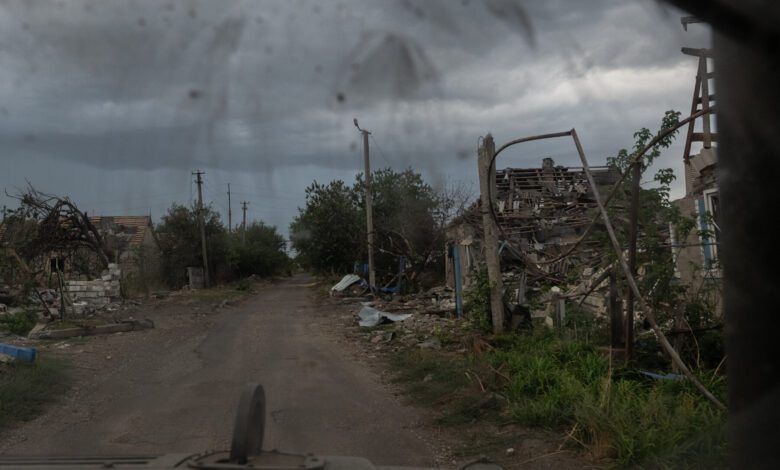
Republican vice-presidential nominee JD Vance outlined what he thought a Donald Trump-brokered settlement of Russia’s war against Ukraine could look like in September 2024. His proposal froze control near the existing front, created a fortified demilitarized zone and kept Ukraine outside NATO, prompting criticism that it conceded central Russian demands.
Vance described a line-based settlement
In an interview with the Shawn Ryan Show, Vance said the current line separating Russian and Ukrainian forces could become a demilitarized zone. Ukraine would remain an independent state and heavily fortify its side to deter another invasion.
He did not publish a negotiated map, treaty text or enforcement mechanism.
Russia would retain occupied land in practice
Freezing the line would leave Russia controlling Crimea and parts of the Donetsk, Luhansk, Zaporizhzhia and Kherson regions, even if other countries withheld legal recognition. The distinction between de facto control and lawful sovereignty is crucial.
Military occupation does not itself transfer title under international law.
Ukraine would forgo NATO membership
Vance said Russia would receive a guarantee of Ukrainian neutrality, including no accession to NATO or similar allied institutions. Moscow had demanded restrictions on Ukraine’s strategic alignment before and during the invasion.
Kyiv argued that earlier neutrality and assurances had failed to prevent Russian attacks.
The proposal did not match Ukraine’s peace formula
President Volodymyr Zelenskyy’s plan called for Russian withdrawal, restoration of Ukraine’s territorial integrity, return of prisoners and abducted children, nuclear and food security, and accountability. It rejected rewarding aggression with permanent territorial gains.
Ukraine maintained that no outside government could bargain away its land.
Vance questioned continued United States funding
He had opposed additional military aid and argued that European countries should carry more of the burden. Supporters said finite weapons stocks and escalation risks required negotiation.
Critics warned that ending assistance before credible guarantees could force Kyiv to accept terms under military pressure.
A ceasefire and a durable peace are different
Stopping combat can save lives immediately, but an unstable ceasefire may give forces time to rearm. The Minsk agreements after 2014 reduced or reorganized fighting without resolving the conflict or preventing the 2022 full-scale invasion.
Monitoring, enforcement and consequences for violations would determine whether a buffer zone worked.
Demilitarization raised unanswered questions
The proposal did not specify the zone’s width, which forces would withdraw, who would patrol it or what happened after a breach. Fortifying only the Ukrainian side could also sit uneasily with calling the area demilitarized.
Any peacekeeping mission would require mandate, consent, troops and long-term financing.
Russia and Ukraine had incompatible objectives
President Vladimir Putin asserted claims over occupied Ukrainian regions and demanded limits on Kyiv’s military alignment. Ukraine sought full sovereignty and security guarantees strong enough to deter another attack.
A mediator could propose compromises but could not create consent by announcement.
The comparison with Putin’s position was political but grounded
Vance did not endorse every Russian demand, and he proposed that Ukraine survive as a sovereign, fortified state. Still, territorial retention and NATO exclusion overlapped with two major Kremlin objectives, explaining the criticism.
Calling the outline a complete peace plan overstated its detail. It was a campaign-era concept that identified possible end-state elements while leaving the hardest issues—Ukrainian consent, legal borders, security guarantees, accountability, reconstruction and enforcement—largely unanswered. A credible evaluation must distinguish the appeal of quickly stopping bloodshed from the risk of institutionalizing gains achieved by invasion.