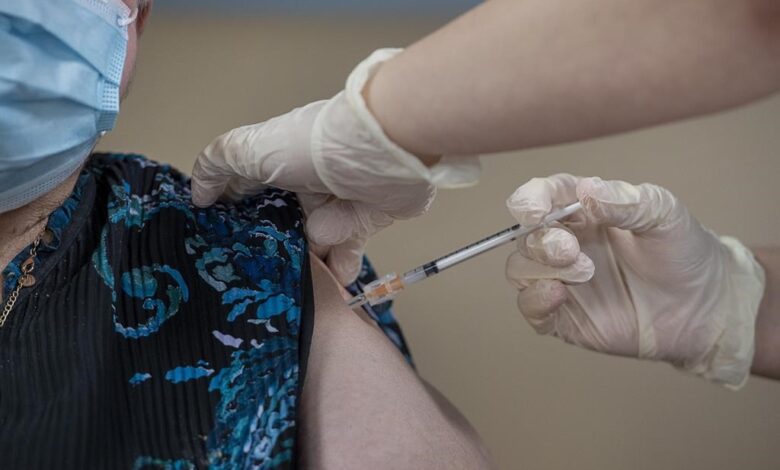
Health Canada authorized Novavax’s updated Nuvaxovid COVID-19 vaccine on September 19, 2024. The protein-based formulation used an antigen based on the Omicron JN.1 strain and replaced the company’s earlier XBB.1.5 product for the 2024–25 vaccination campaign.
How Nuvaxovid differs from an mRNA vaccine
Nuvaxovid is a protein-subunit vaccine. It contains a laboratory-produced version of the coronavirus spike protein together with an adjuvant that strengthens the immune response. It does not contain live SARS-CoV-2 and cannot cause COVID-19. Messenger-RNA vaccines instead give cells temporary instructions for making a spike antigen.
Both approaches aim to train immune recognition before infection, but their ingredients, storage requirements, dosing evidence and authorized age groups can differ. In 2024 the JN.1 Nuvaxovid multidose-vial formulation was authorized for people 12 years of age and older. Program recommendations and supply were determined separately by federal guidance and provincial or territorial health authorities.
Why the antigen was updated
SARS-CoV-2 accumulates genetic changes as it circulates. JN.1 and its descendants had become important lineages, so vaccine composition was updated to improve the match between the vaccine antigen and circulating viruses. A closer match can improve immune response, but it does not guarantee that every infection will be prevented.
Protection also varies with age, health, prior vaccination, previous infection and time since the dose. Public-health recommendations focus particularly on reducing severe disease, hospitalization and death among people at increased risk.
Authorization, safety and access
Health Canada assessed the submitted evidence for safety, quality and effectiveness and imposed continuing terms and conditions. Those conditions allow the regulator to require additional manufacturing, safety or effectiveness information after authorization. They do not mean the product skipped regulatory review.
Common reactions may include injection-site pain, fatigue, muscle aches, headache and temporary fever or chills. Serious reactions are uncommon, but a person with a previous severe allergy or vaccine-related medical problem should discuss current product guidance with a qualified professional. Suspected adverse events can be reported through the Canadian vaccine-safety system.
An archived decision, not current dosing advice
This article records the JN.1 product’s September 2024 authorization. COVID-19 products and recommendations change as new variants emerge and manufacturers replace formulations. A reader seeking vaccination in a later season should consult the current Health Canada product portal, local program and health-care provider.
The approval provided a non-mRNA option for eligible people during the 2024–25 period. It did not establish that one vaccine platform was categorically better for everyone, nor did it make the earlier XBB.1.5 formulation the appropriate choice once the updated product replaced it.
Vaccination works alongside measures such as staying home when acutely ill, improving indoor air and seeking timely testing or treatment advice when indicated. An authorization announcement cannot diagnose an infection or determine an individual’s clinical schedule.
Availability is another separate question. Authorization permits sale under specified conditions, but procurement, delivery and clinic inventory determine whether a dose can actually be obtained. Anyone preferring a protein-subunit vaccine should confirm the current product and expiry with the clinic before an appointment. Labels and monographs should be read for the exact formulation, because the shared Nuvaxovid brand has been used across more than one antigen update.