
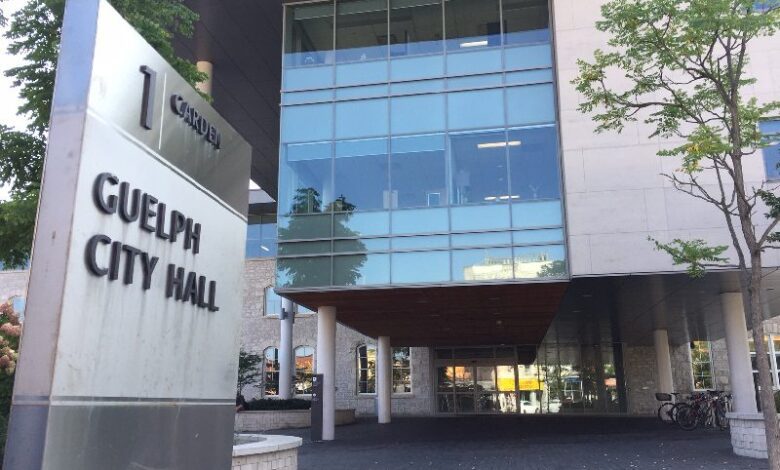
Guelph tenants facing displacement urged city councillors in September 2024 to take stronger action against so-called renovictions. Their testimony focused attention on the gap between a lawful renovation that genuinely requires vacancy and the misuse of eviction notices to remove lower-rent tenants.
Residents described pressure after ownership changes
One Brant Avenue tenant told councillors that maintenance problems followed a change in building ownership and that residents later received N13 notices. Such notices can be used when a landlord intends demolition, conversion or repairs so extensive that a unit must be vacant.
A notice itself does not automatically end a tenancy.
Ontario law sets a formal process
A landlord generally needs an order from the Landlord and Tenant Board if a tenant does not leave. Notice periods, compensation and relocation obligations vary with the reason, property size and circumstances.
Tenants can obtain legal advice and contest whether the stated work or good-faith intention is genuine.
Some tenants have a right to return
Where repairs require vacancy, a tenant may preserve the right of first refusal by notifying the landlord in writing before moving. If the legal requirements apply, the unit must be offered back at the rent that would have been charged had the tenant remained.
Missing deadlines can weaken that protection, making early advice important.
Municipal bylaws add local safeguards
Other Ontario cities developed renovation-licensing regimes requiring permits, tenant information and evidence that vacancy is necessary. Supporters said a Guelph bylaw could deter bad-faith removals and create clearer municipal enforcement.
Critics questioned cost, jurisdiction and duplication with provincial law.
Council did not immediately enact a bylaw
The committee directed staff to improve online tenant-rights information and gather experience from renters and landlords. The subject was also tied to Guelph’s broader housing-affordability strategy, which proposed evaluating a renoviction bylaw and rental-replacement protections.
That was a step toward review, not a completed enforcement programme.
Provincial and local action are not mutually exclusive
Mayor Cam Guthrie argued that consistent province-wide rules could avoid a patchwork across Ontario’s municipalities. Tenants replied that immediate local action mattered while higher-level reform remained uncertain.
A sound policy can coordinate licensing, building permits and provincial adjudication without pretending the city controls every tenancy dispute.
Renovation needs must also be real
Aging rental buildings require repairs, and some structural or safety projects cannot proceed safely around occupants. Preventing abuse should not make necessary work impossible.
The relevant questions are whether vacancy is genuinely required, tenants receive lawful compensation and return rights, and units are not simply repriced under a renovation pretext.
Practical steps for affected renters
Tenants should keep the notice, lease, maintenance requests and communications; photograph conditions; avoid signing an agreement they do not understand; and promptly contact a community legal clinic or tenant service. Rent should generally continue unless reliable legal advice says otherwise.
For policymakers, testimony should be followed by measurable rules: permits cross-checked with eviction claims, meaningful penalties for false representations, clear multilingual notices and public reporting. Guelph’s debate showed that information alone may not stop displacement, but any bylaw also needs legal authority, staffing and enforcement to be more than a promise.
Follow-up reporting should show which protections council ultimately adopted and how many tenants actually used them.



